
RSPB Big Garden Birdwatch Results & How to Help Garden Birds

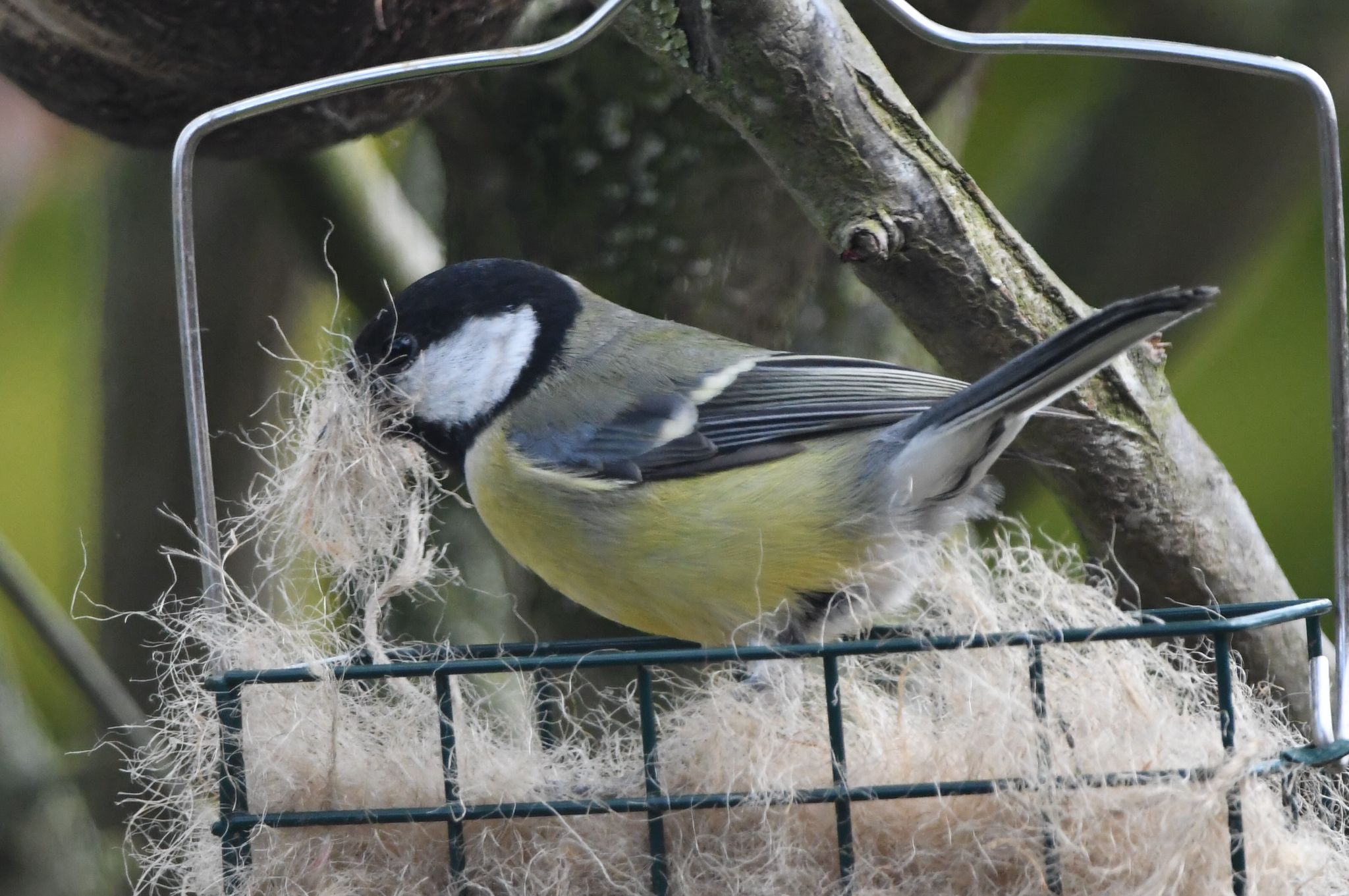
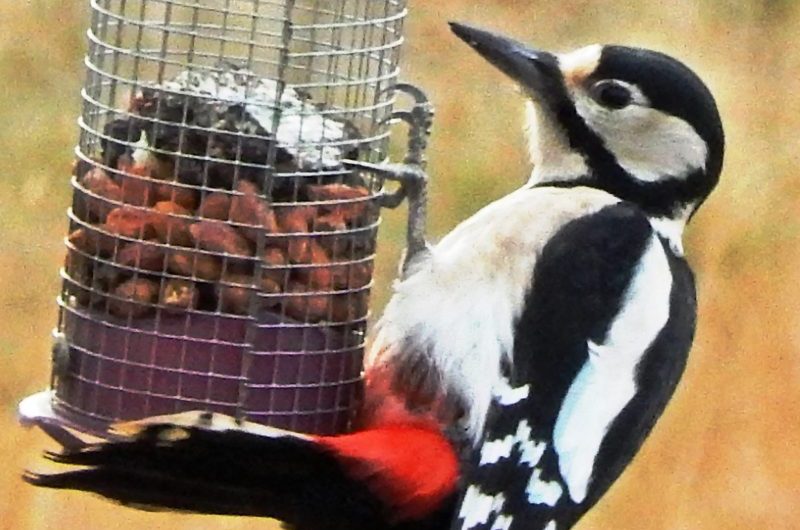
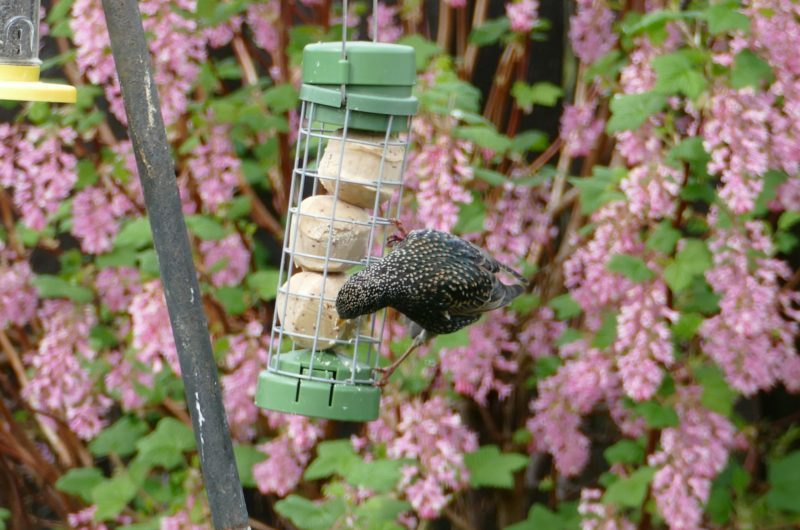
RSPB have released the results from their biggest citizen science project – the Big Garden Birdwatch. Read to learn how North East Scottish garden birds are doing and how you can help them.

RSPB have released the results from their biggest citizen science project – the Big Garden Birdwatch. Read to learn how North East Scottish garden birds are doing and how you can help them.

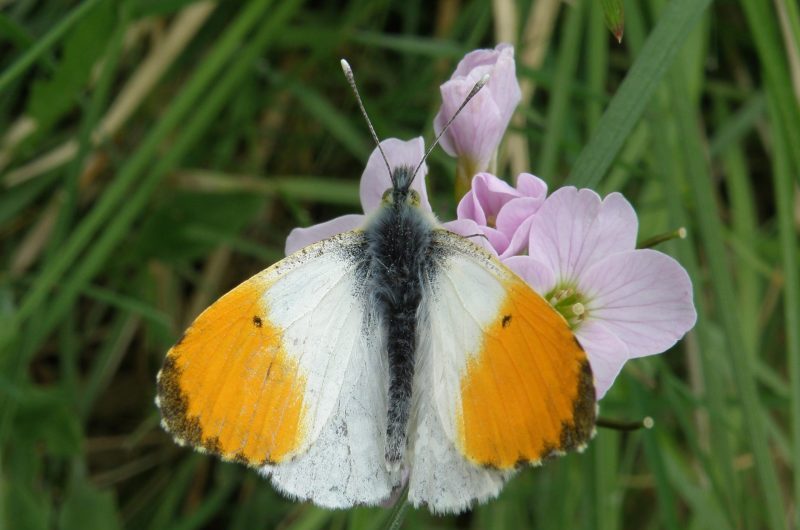
Help declining butterflies by making a few simple changes

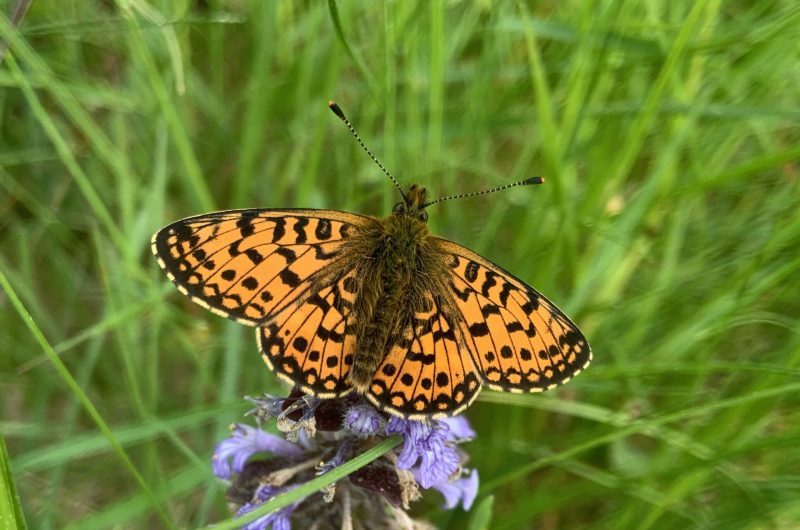
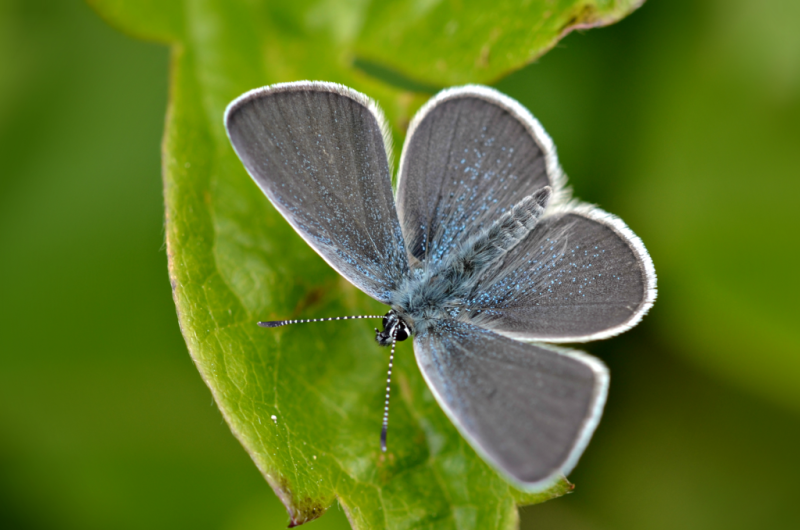
More than half of the butterfly species in the UK are currently experience long-term declines. Newly released data shows that 2024 was one of the worst years on record for butterflies.

More than half of the butterfly species in the UK are currently experience long-term declines. Newly released data shows that 2024 was one of the worst years on record for butterflies.

Citizens leading a soil sample collection effort across Scotland

The James Hutton Institute is engaging 1200 citizens in an effort to increase soil literacy and map the state of soil across Scotland.

Karolina Trdlicova

Citizen Science Coordinator

Banff & Buchan Schools Creating Wildlife Habitats for Pollinators – Guest Blog

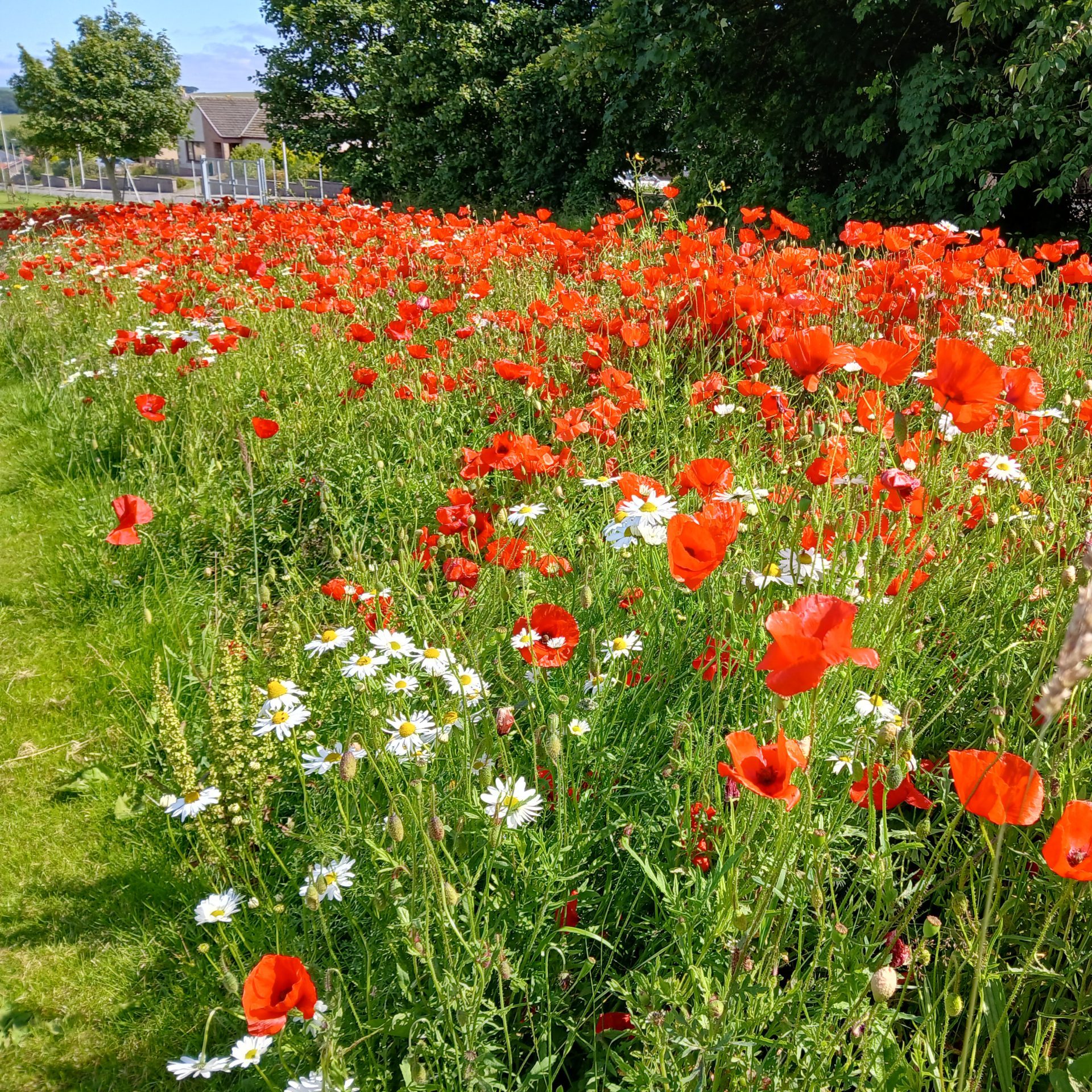
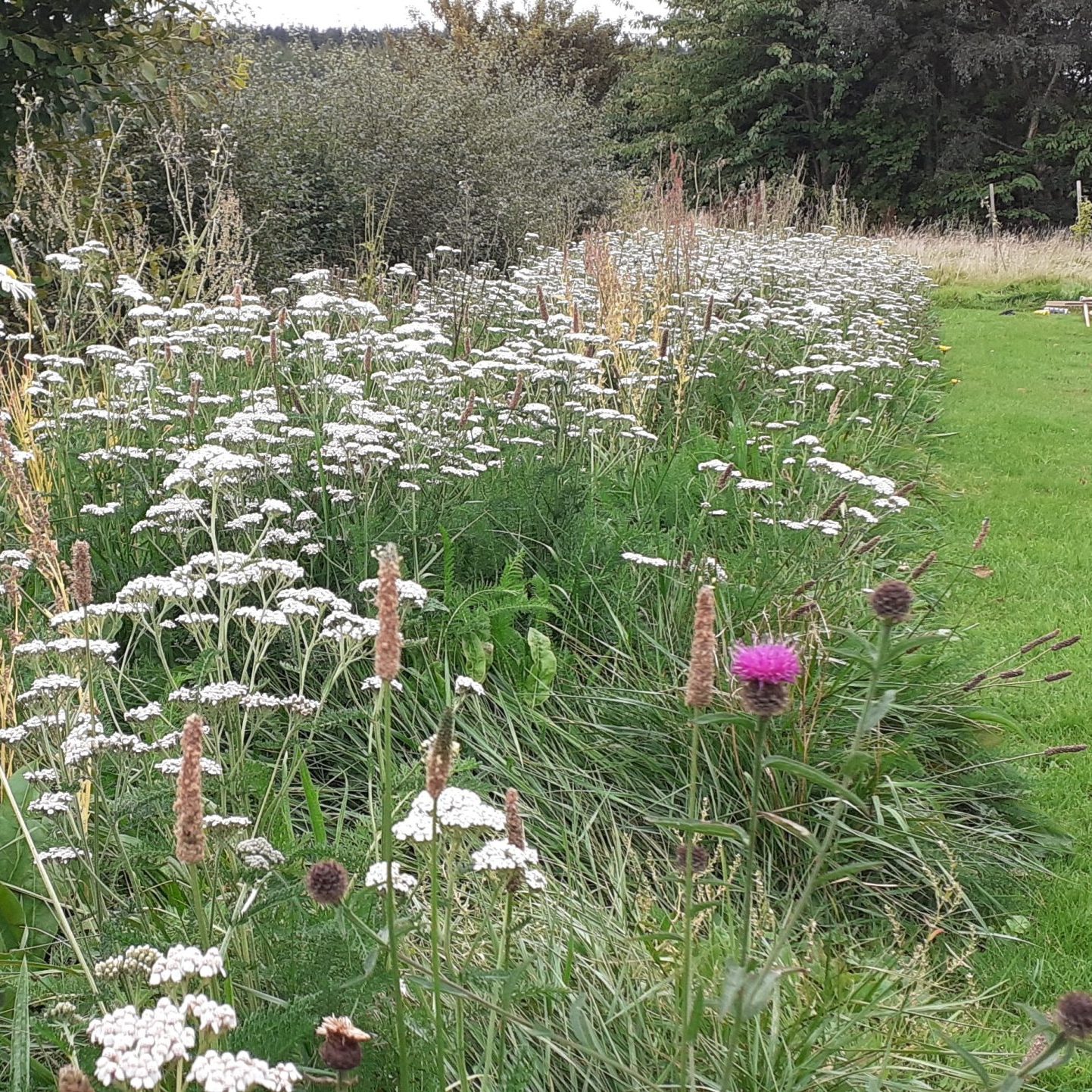
Read to learn how the Aberdeenshire Council Rangers and Banff and Buchan schools are collaborating and creating wildlife habitat networks for pollinators.

Read to learn how the Aberdeenshire Council Rangers and Banff and Buchan schools are collaborating and creating wildlife habitat networks for pollinators.

Jodie Rhodes

Banff & Buchan Ranger for Aberdeenshire Council

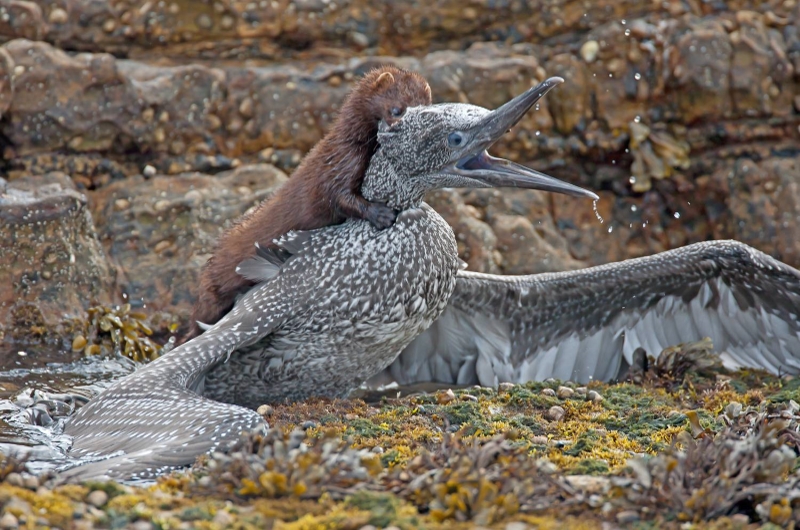
Seals in the Ythan Estuary

Seal-iously Healthy: Leveraging health app data to understand human activity around a seal protection zone.

Claire Stainfield

PGR Student Researcher at Scotland’s Rural College (SRC)

Pollinators and why they are wonderful – Hutton Highlights

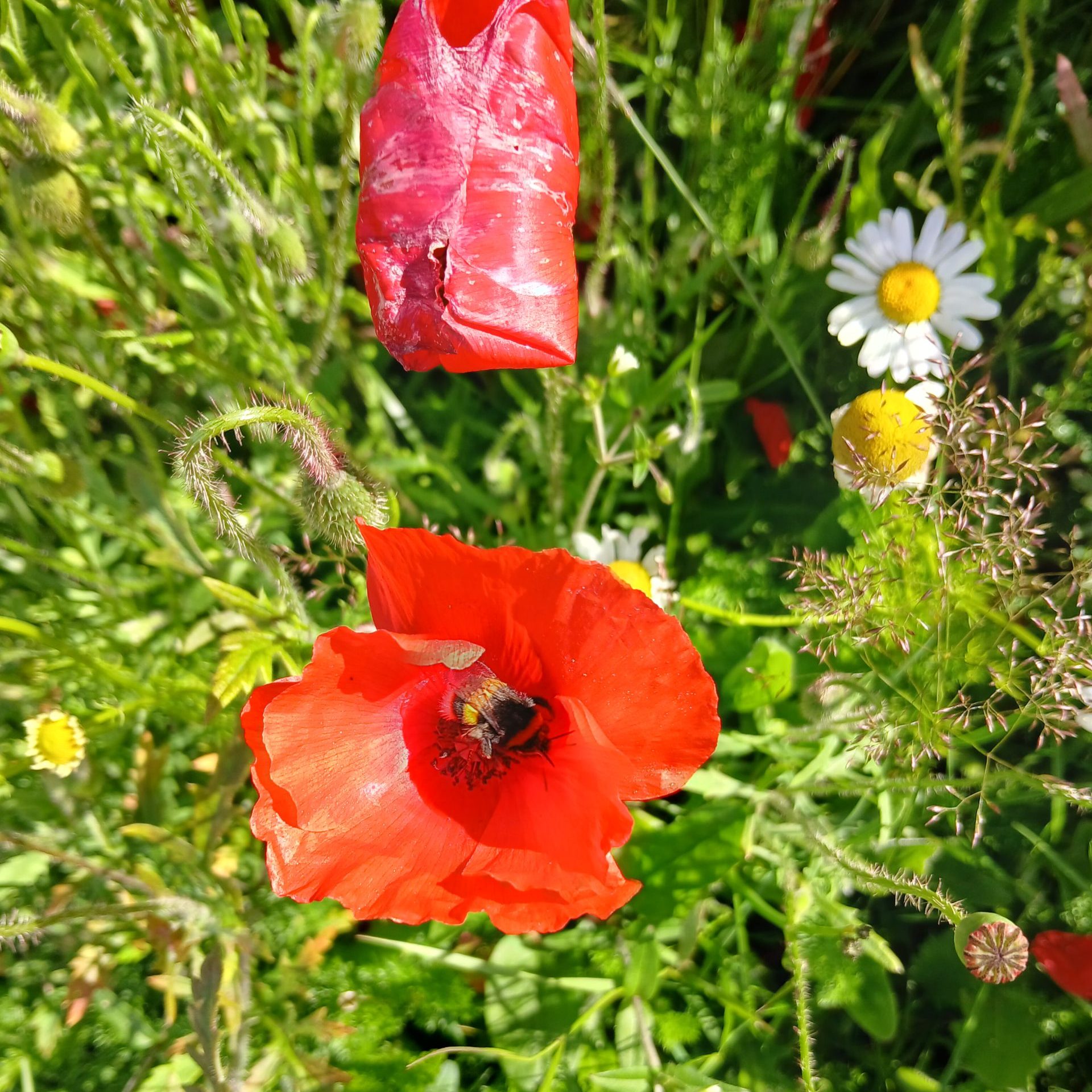
Hutton Highlights is a James Hutton Institute podcast and back in May, NESBiP was invited to talk about pollinators and why they are wonderful.

Hutton Highlights is a James Hutton Institute podcast and back in May, NESBiP was invited to talk about pollinators and why they are wonderful.

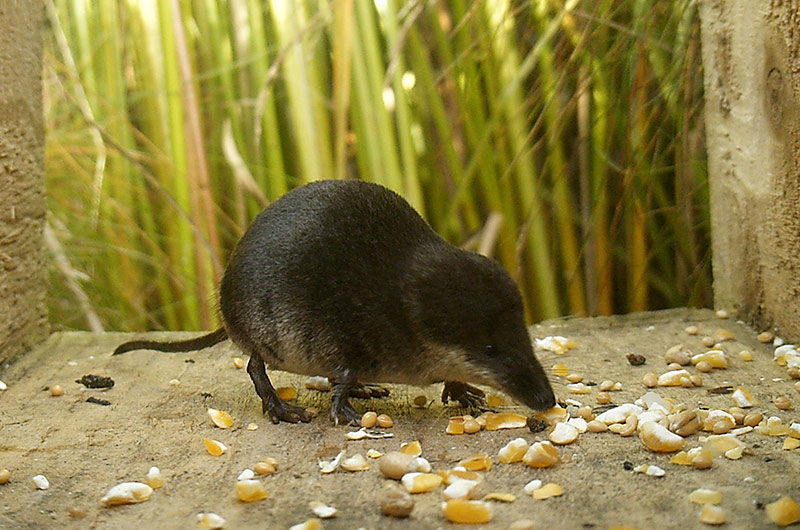
Water Shrew Watch

With a black upper side, smartly contrasting with a white throat and belly, they are the most distinctive of all our small mammal species. Despite this, they are seldom seen.

Rose Toney

Coordinator at The Biodiversity Partnership (2010-2019)

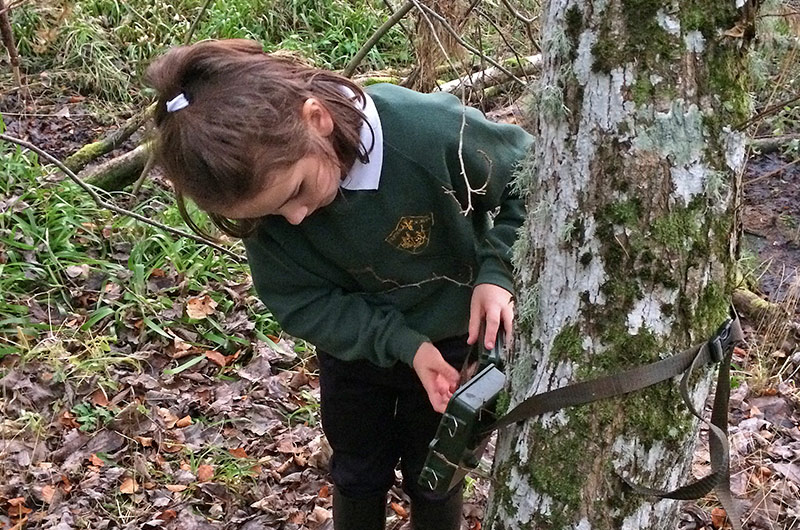
Schools Camera Trap Project

Combining technology with children’s natural fascination with wildlife allows them to connect to nature in your school grounds. Read more about our camera trap project and future plans.

“Our pupils and staff were not only captivated by the animals that visited our garden, but motivated to learn more about them and find out how to encourage other wildlife” Ciara Gibson, PT, Grandtully Primary

“It’s just such a fantastic educational experience for everyone!  The whole school are hooked, and the children are viewing their playground so very differently.  Their wee minds have been blown… Cannot thank you both enough!” Newtonhill Primary

“I liked putting the camera out.  Before I saw the video of the pine martens, I thought they were make-believe creatures like unicorns!” Florence McNeil (Age 6).

Rose Toney

Coordinator at The Biodiversity Partnership (2010-2019)

Huntly Swift Group – NES Swifts

“They’ve made it again, which means the globe’s still working” – Ted Hughes

Cally Smith

Founder of Huntly Swift Group – NES Swifts

Young Wildlife Recorders

Schools and community groups incorporated wildlife recording and submitting records to the local biological records centre (NESBReC) into existing outdoor learning initiatives.

Annie Robinson

Independent Member at NESBiP