
Helping Hedgerows this National Hedgerow Week 2026
Helping hedgerows in North East Scotland: discover simple ways to support wildlife & boost biodiversity this National Hedgerow Week.
Helping Hedgerows in North East Scotland (and Why It Matters for Hedgehogs Too!)
Helping hedgerows is one of the simplest and most effective ways to support wildlife in North East Scotland.
National Hedgerow Week (4–10 May) is a chance to celebrate one of the UK’s most important (but often overlooked) habitats. Hedgerows are far more than just boundaries. They are living networks that support wildlife, connect landscapes and help nature thrive.
Here in Aberdeen, Aberdeenshire and Moray, hedgerows are especially important. They are one of the NESBiP Big 5 priority habitats, alongside species like the much-loved hedgehog, which depends on them.
Why hedgerows matter
Hedgerows play a vital role in our landscapes. They:
- Provide food and shelter for wildlife. Including birds, insects and small mammals
- Act as wildlife corridors, helping species move safely between habitats
- Support pollinators with flowers and birds with berries
- Help reduce flooding, protect soils and improve the resilience of our environment
In North East Scotland, mixed native hedgerows with species such as hawthorn, blackthorn, hazel, rowan and dog rose are particularly valuable. A diverse hedge supports wildlife throughout the year and helps reconnect habitats across farmland and green spaces.
🦔 Hedgerows and hedgehogs
With it also being National Hedgehog Awareness Week, it’s the perfect time to highlight the link between hedgerows and hedgehogs.
Hedgehogs rely on hedgerows for the following:
- Safe routes to move around the landscape
- Food such as insects, worms and slugs
- Shelter for nesting and hibernation
Healthy, well-managed hedgerows can make a real difference to local hedgehog populations. Here are 5 simple ways you can help hedgehogs.
What you can do (if you have a garden or land)
Plant a native hedge
Planting a mixed native hedge is one of the best things you can do for wildlife. Choose a variety of species to provide year-round benefits. In the North East, hawthorn is often used as the backbone of a strong, wildlife-friendly hedge.
Look after existing hedges
- Avoid cutting during the bird nesting season (March–August)
- Cut hedges less frequently – every 2–3 years is ideal
- Let hedges grow thick and wide to provide better shelter
Fill gaps and improve structure
Replant any gaps and include berry-rich species. Traditional techniques like hedge laying can help create dense, long-lasting hedgerows.
Encourage others
Talk to neighbours, community groups or land managers about hedgerows. The more people involved, the bigger the impact across the region.
-

You can help hedgerows in urban areas too

Swap your fence and wall for a hedgerow
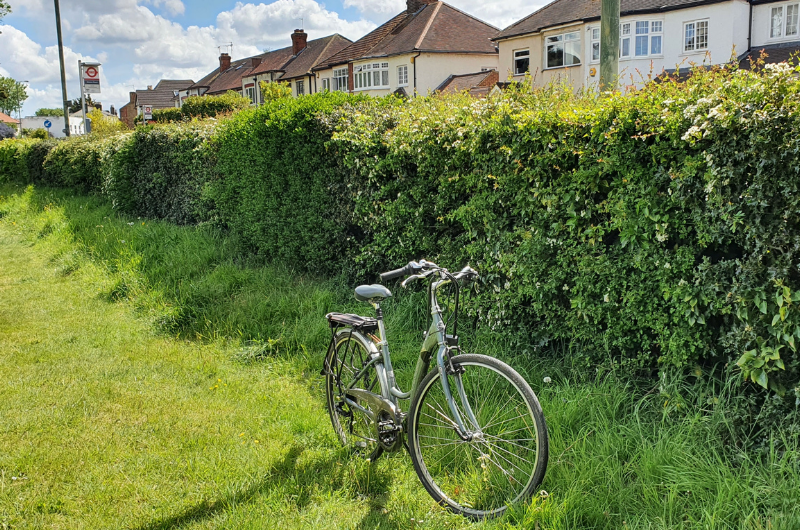

No garden? You can still help!
Not everyone has space to plant a hedge, but you can still support hedgerows.
🌱 Get involved locally
- Volunteer with conservation groups.
- Check out our volunteering page to get involved
- Take part in community planting projects
📣 Raise awareness
- Share photos of hedgerows you love
- Celebrate National Hedgerow Week and help others notice these habitats
🗣️ Speak up
- Encourage local developments to include native hedgerows in green spaces and landscaping.
- Spread the word on how hedgerows can help boost biodiversity
Small actions, big impact
Hedgerows are often described as “nature’s motorways”, linking habitats and helping wildlife survive and thrive. Across Aberdeen, Aberdeenshire and Moray, restoring and protecting these green networks is key to tackling biodiversity loss. This National Hedgerow Week, take a moment to notice your nearest hedge and consider what small action you could take to help.
Because together, those small actions can make a big difference.
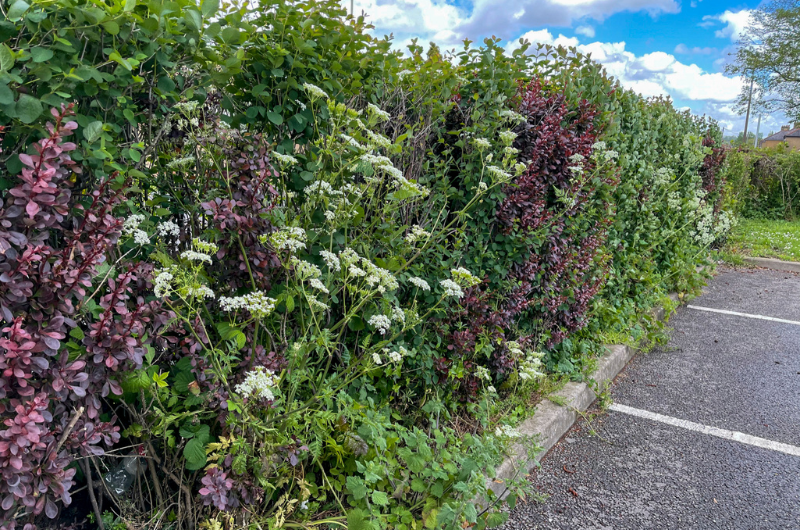
Mixed-hedgerows are more biodiverse than single hedges
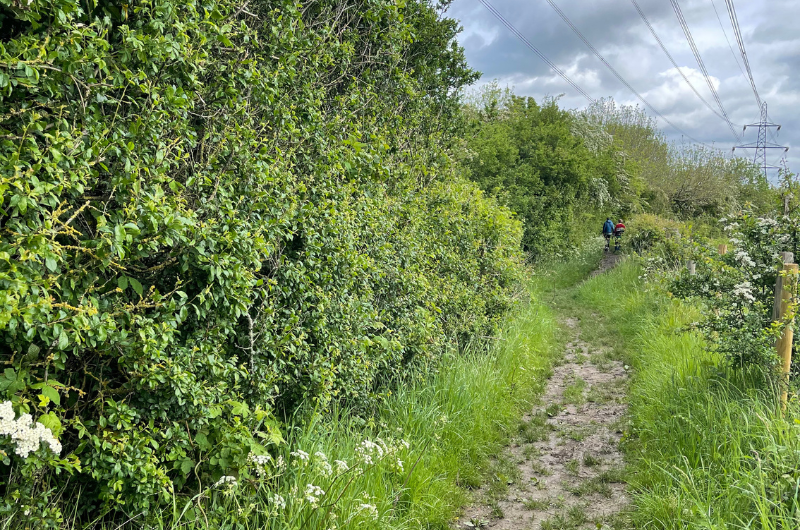
Helping hedgerows can help other wildlife