

International Day for Biological Diversity: Acting Locally for Global Impact
Celebrate International Day for Biological Diversity by exploring how local action in North East Scotland supports global biodiversity.
From Local Food Choices to Global Biodiversity: Acting Where We Are
This International Day for Biological Diversity, the theme “Acting locally for global impact” reminds us that the health of nature isn’t shaped solely by global agreements or distant landscapes. It’s shaped by what we do, every day, in the places we live. It’s easy to think of biodiversity loss as something happening elsewhere. But the systems that drive it are deeply connected to our lives here in the North East of Scotland.
Look and Learn: Seeing the Links Between Consumption and Nature
Biodiversity underpins everything from the food we eat to the materials we use. Healthy soils, clean water and functioning ecosystems are essential not only for agriculture but also for global supply chains. However, current patterns of overconsumption are placing growing pressure on these natural systems. Supply chains are global and demand in places like North East Scotland directly contributes to impacts on ecosystems worldwide.
Agricultural management is a key pressure on nature in Scotland, but other industries linked to everyday consumption, such as fast fashion, also have significant impacts. The demand for cheap, rapidly produced clothing contributes to habitat destruction, high water use, pollution and waste, all of which harm ecosystems and species. Even though these impacts often occur overseas, they are driven by purchasing decisions made locally. More broadly, overconsumption (buying more than we need and discarding items quickly) drives resource extraction and land use change worldwide, meaning that reducing demand locally can help ease pressure on ecosystems globally.
Although these issues may seem distant, they are closely connected to daily choices: what we buy, wear, eat and throw away. Biodiversity is not separate from everyday life; it is embedded within it, and the choices we make every day ripple through global systems that shape nature.
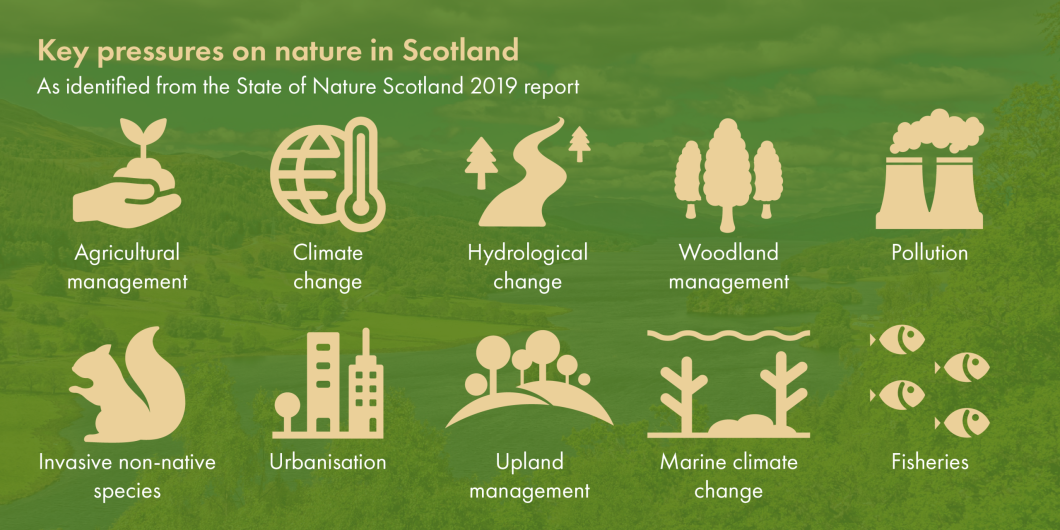
Pressures on nature identified in the State of Nature Scotland 2019 report.
Connect and Act: Supporting Nature-Friendly Systems
Across North East Scotland, individuals, communities and businesses are already demonstrating how systems can support, rather than harm, biodiversity. Here are some of NESBiP’s favourite examples.
Organisations and Networks
FoodLink NE supports Aberdeenshire producers by creating shorter supply chains and a shared distribution system. Customers order online, products are harvested or prepared to demand, and FoodLink NE coordinates delivery. This allows producers to focus on producing good food, while shortening supply chains and reducing pressures associated with large-scale, resource-intensive systems.
Moray Community Growing Network brings together gardeners, projects and individuals to share knowledge and support nature-friendly growing. By connecting people and spaces, it enables coordinated local action and contributes to wider ambitions such as Scotland’s Good Food Nation Act, supporting more sustainable food systems that benefit biodiversity at multiple scales.
One Seed Forward encourages people of all ages to grow their own food, eat seasonally and develop skills. They provide free seeds through local libraries and run workshops to help communities grow with biodiversity in mind, reducing reliance on intensive supply chains and encouraging nature-positive practices.
Agriculture and Land Managers
The Nature-Friendly Farming Network is a farmer-led organisation that supports those working to balance farming and nature, championing positive change.
Local farms such as Rora Dairy and Lower Mill of Tynet, along with the Moray Farm Cluster made up of 14 farms in Laich of Moray, show how productive farming can work with nature. Their work supports habitats and responds to challenges such as climate vulnerability and invasive non-native species. Which demonstrations how local land management contributes to wider ecosystem resilience.
Logos of the organisations and farmers we’d like to highlight this International Day for Biological Diversity
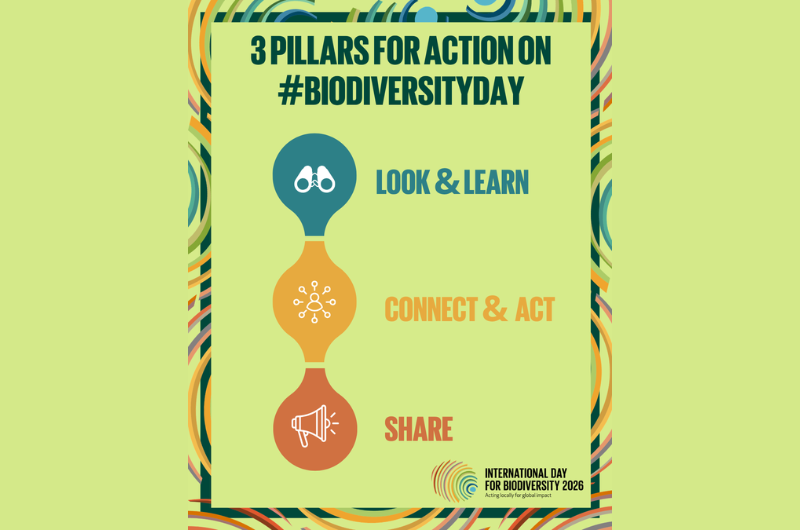
The 3 pillars linked to this year’s theme to raise awareness of biodiversity
Joined-up approach
These examples highlight a shared message: healthy systems depend on healthy ecosystems. Plus, local actions are part of wider food and consumption systems that shape biodiversity outcomes globally. We can all support this by making choices that collectively shift these systems towards better outcomes for nature:
- Reducing food and material waste
- Choosing seasonal, local and longer-lasting products
- Supporting producers who prioritise biodiversity
Share: Building a Stronger Biodiversity Network
NESBiP’s work is rooted in partnership, and building a stronger, more connected network is key to delivering meaningful biodiversity outcomes. Across the region, there are farmers, community groups and local initiatives already taking action for nature through the way food is produced and shared.
Many of these efforts deserve greater visibility.
This International Day for Biological Diversity, we’re inviting you to help us build that picture:
🌱 Do you know a local farmer, grower or project supporting biodiversity?
🌱 Are you involved in work that’s helping nature through food or land management?
By sharing these examples, we can connect local efforts and help scale their impact beyong individual projects:
- Strengthen regional collaboration
- Highlight good practice
- Inspire others to take action
Together, these connections help turn individual local actions into a more coordinated, large-scale movement for biodiversity.
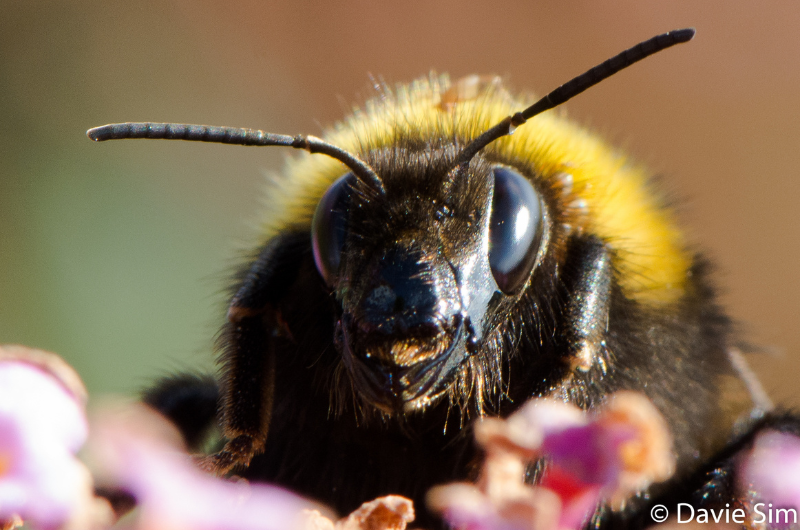
Bumblebee by Davie Sim
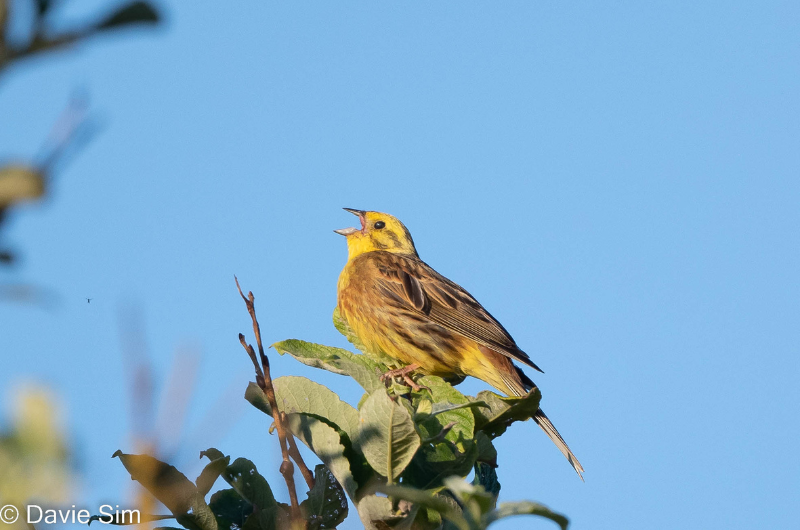
Yellowhammer by Davie Simm
From Local Action to Landscape-Scale Impact
NESBiP aims to empower communities to take action for their local biodiversity and inspire others to follow suit. Achieving this depends on many small, interconnected actions across communities, farms and supply chains.
Food (and more broadly, how we consume) is one of the clearest ways these connections play out.
By reducing waste, supporting local growing, choosing more sustainable products and championing nature-friendly farming, we’re contributing to a wider shift towards systems that protect and restore biodiversity. Both locally and across global supply chains.
This International Day for Biological Diversity, the message is clear:
When we act locally and together, we can deliver meaningful, lasting impact for biodiversity, far beyond the places where those actions began.
Share this Post
International Day for Biological Diversity 2026 logo and theme with the NESBiP Logo