
Help Butterflies & Caterpillars in North East Scotland
Learn 5 simple ways to help butterflies in your North East Scotland garden or greenspace by supporting eggs, caterpillars & adults.
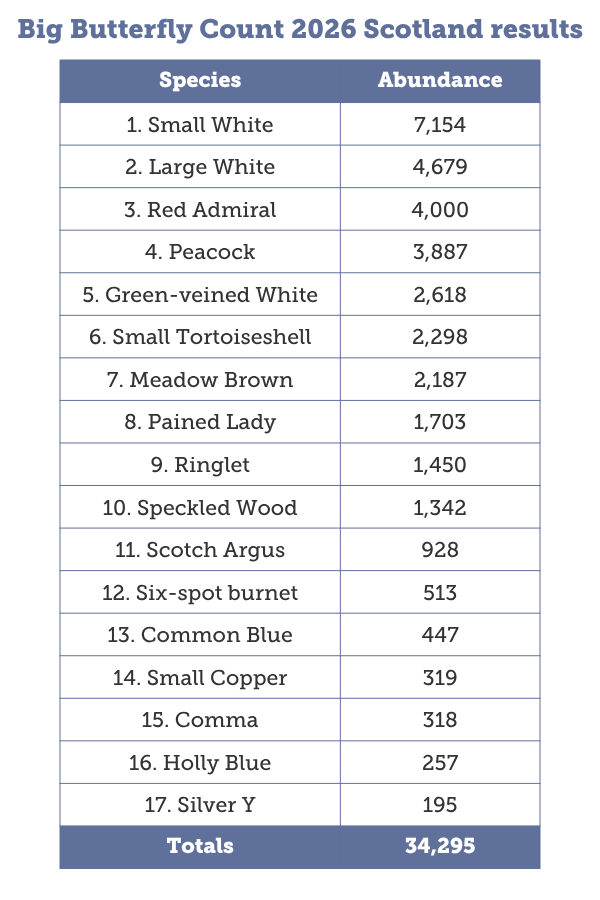
Big Butterfly Count – Scotland Results 2026 – Full results can be found here
The results of the Big Butterfly Count 2026 have painted a mixed picture for butterflies across the UK. Warm, sunny weather led to one of the best years on record for many adult butterflies, but Butterfly Conservation are warning that the real impact of the summer’s extreme weather may not be seen until next year. The reason? Butterflies don’t just need sunshine, they need healthy habitats for their eggs, caterpillars and chrysalises too. They are concerned that prolonged hot, dry weather could have damaged the food plants that caterpillars depend on, with consequences for future butterfly populations.
While much of the media coverage focused on England and UK-wide trends, the message is equally relevant in Aberdeen, Aberdeenshire and Moray. Whether you have a garden, community greenspace, school grounds or an allotment, there are simple actions you can take to help butterflies in North East Scotland and support every stage of their life cycle.
Why Caterpillars Matter Just as Much as Butterflies
When we think about helping butterflies, we often think about planting colourful flowers for adults to feed on. However, butterflies spend most of their lives as eggs, caterpillars and chrysalises. If there are no suitable places to lay eggs or no food plants for caterpillars to eat, there will be fewer butterflies in the future. And some butterflies are very fussy about where they lay their eggs!
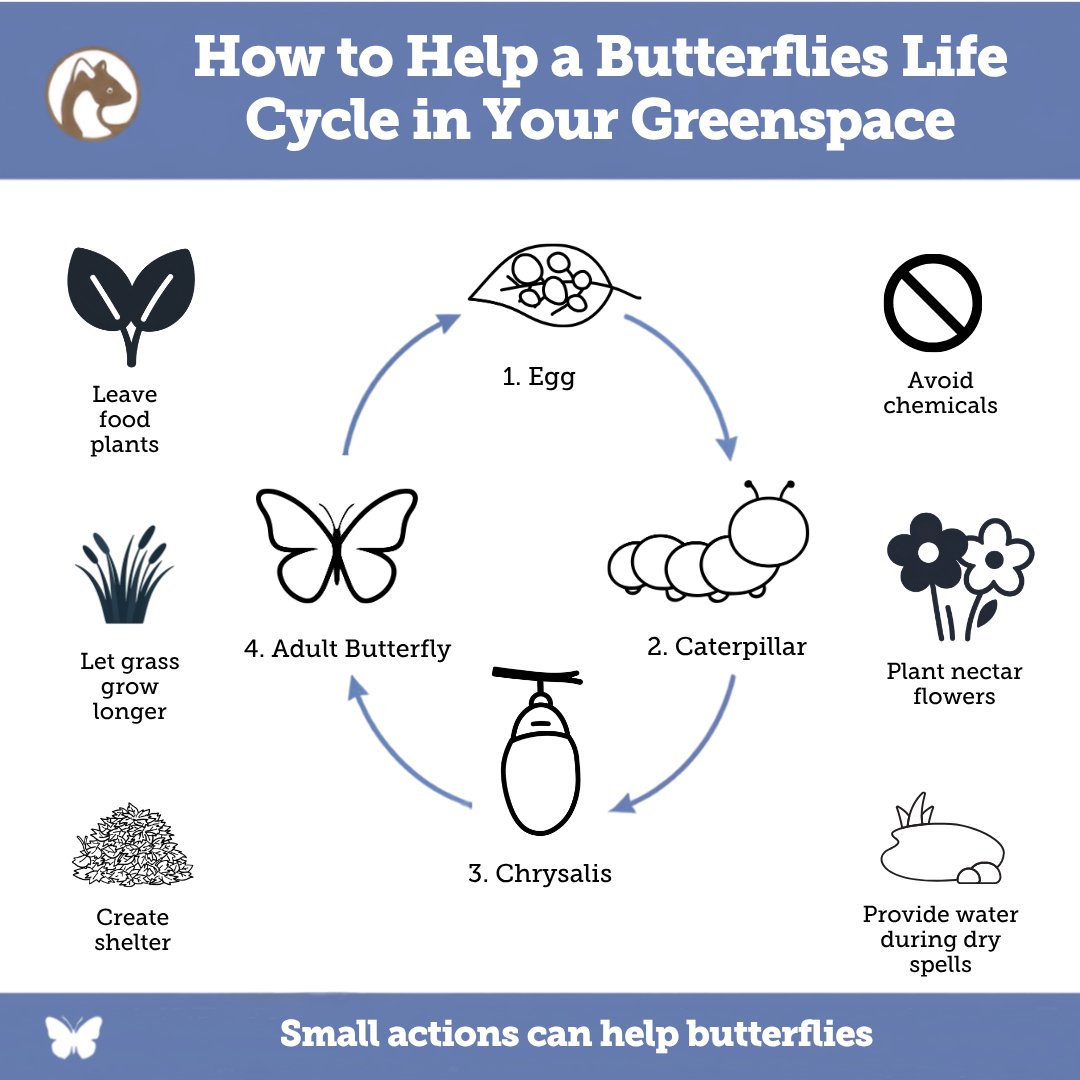
The best way to help butterflies in North East Scotland is to create habitats that support the whole life cycle, from egg to adult.
1. Plant Caterpillar Food Plants
Many butterfly species will only lay their eggs on specific plants. Without these food plants, caterpillars cannot survive.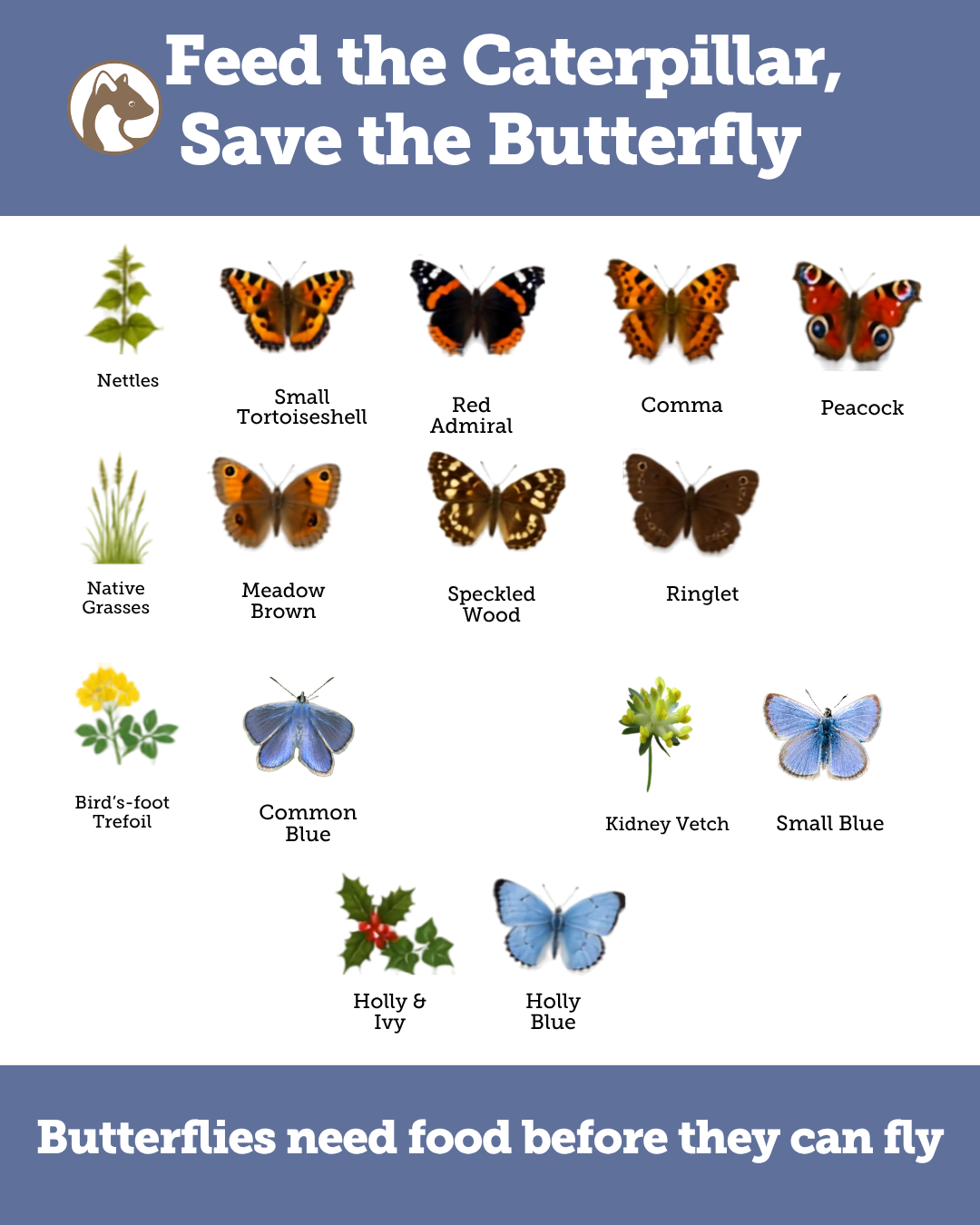
Some of the best food plants for North East Scotland gardens include:
- Nettle for Peacock, Small Tortoiseshell, Red Admiral and Comma caterpillars
- Bird’s-foot trefoilfor Common Blue and Green Hairstreak
- Holly and Ivy for Holly Blue
- Native grasses for Meadow Brown, Ringlet and Speckled Wood Caterpillars
- Kidney Vetch for Small Blue Caterpillars
Nettles are a particularly important plant. Although they are often removed from gardens, a small patch in a sunny corner can support hundreds of caterpillars.
By planting and protecting caterpillar food plants, you can help butterflies in North East Scotland long before they emerge as adults.
2. Let Part of Your Garden Grow Wild
Butterflies and moths evolved in landscapes filled with flower-rich grasslands, rough grassland and meadow habitats. Unfortunately, these habitats have declined dramatically over the last century. About 97% has been lost since the 1930s.
Leaving parts of your lawn longer can provide:
- Food plants for caterpillars
- Shelter from extreme weather
- Places for butterflies to lay eggs
- Safe locations for chrysalises
Research highlighted by Butterfly Conservation found that gardens with patches of long grass can support significantly more butterflies and a greater variety of species.
If you have space, consider creating a native wildflower patch using locally native flowers and grasses. Even a small area can make a big difference and help butterflies in North East Scotland.
3. Help Gardens Cope with Dry Spells
Although North East Scotland avoided the severe drought conditions experienced across much of England during summer 2026, we still experienced prolonged periods of dry weather. The Met Office reported that Scotland was less affected than southern Britain, but rainfall remained below average in many areas during the summer.
Weather observations from Aberdeen show that August 2026 recorded around 39mm of rainfall, only 60% of the long-term average, and included approximately 10 completely dry days during the month.
For caterpillars, these dry periods matter. When food plants become drought-stressed, they may stop growing, wilt or die back before caterpillars have finished feeding. This is one reason Butterfly Conservation are concerned about future butterfly populations despite the high numbers of adult butterflies seen during summer 2026.
You can help by making your garden more resilient to dry weather:
- Install a water butt to capture winter rainfall
- Water newly planted caterpillar food plants during dry spells
- Add mulch around plants to retain moisture
- Create a wildlife pond or damp wildlife corner
- Plant trees and shrubs that provide shade and shelter
These actions help create cooler, damper conditions that support eggs, caterpillars and other wildlife during increasingly frequent warm periods.
4. Plant Native Trees and Shrubs
Native trees and shrubs can support a surprising number of insects, including butterflies and moths.
Good choices for gardens across Aberdeen, Aberdeenshire and Moray include: 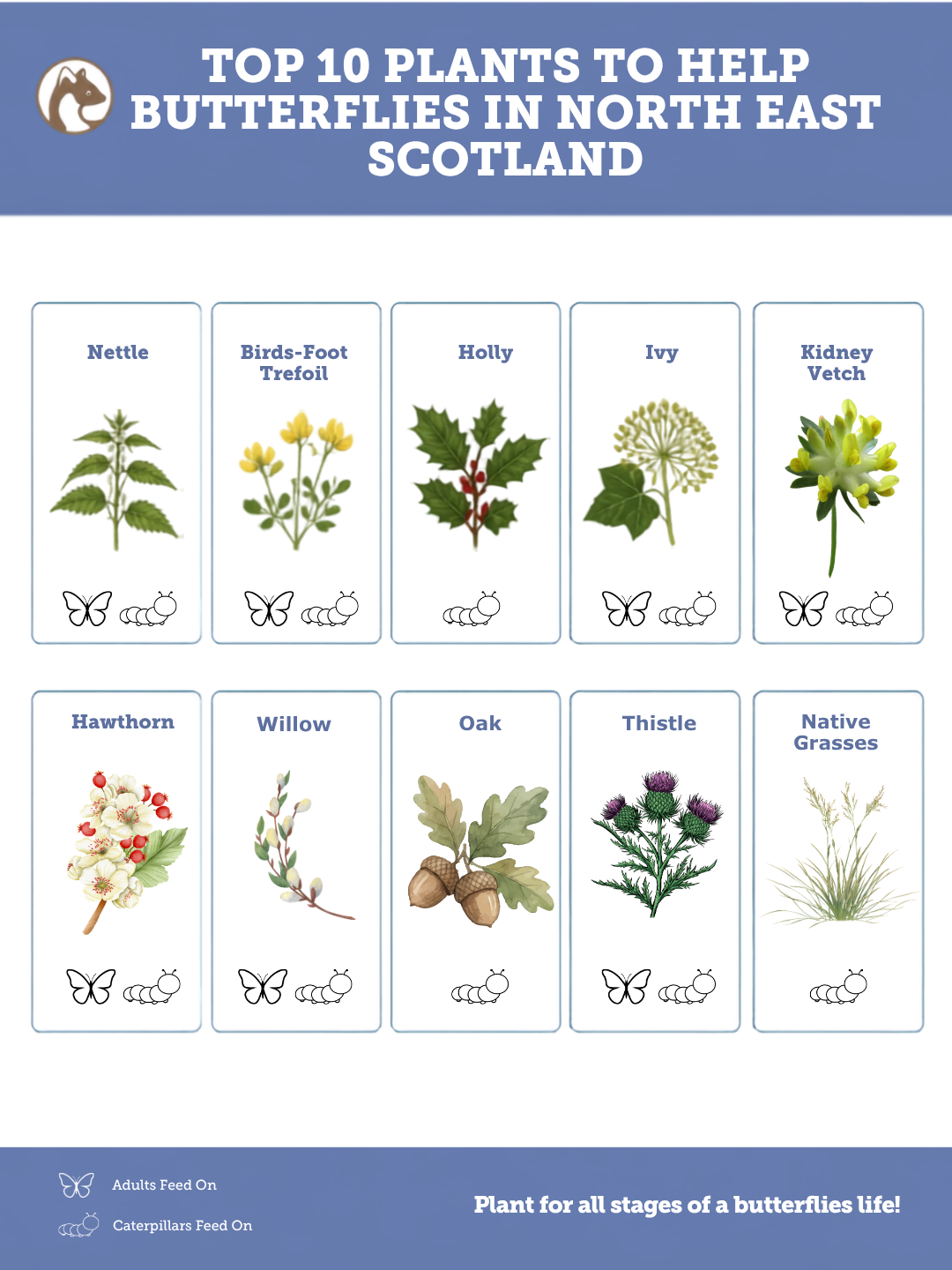
- Hawthorn
- Rowan
- Holly
- Willow
- Oak
- Dog rose
Butterfly Conservation specifically highlights holly, ivy and buckthorn as important plants for butterflies and caterpillars. These species also provide shelter, nectar and food for a wide range of pollinating insects.
Planting native species (or, better yet, planting a mixed native species hedgerow!) is one of the most effective ways to help butterflies in North East Scotland and create climate-resilient habitats that will benefit wildlife for years to come.
5. Put Down the Pesticides and Herbicides
Not every chewed leaf is a problem. In fact, it may be evidence that your garden is supporting wildlife.
Caterpillars are an important food source for:
- Birds
- Hedgehogs and other small mammals
- Amphibians
- And even other invertebrates!
Reducing or eliminating chemical use gives butterfly eggs and caterpillars the opportunity to survive and complete their life cycle naturally.
A few holes in a leaf are a small price to pay when you’re helping biodiversity!
Every Garden Can Make a Difference
The Big Butterfly Count 2026 results are a reminder that seeing more butterflies in summer does not necessarily mean butterfly populations are thriving. Adult butterflies may benefit from warm weather, but eggs, caterpillars and their food plants can suffer when prolonged dry conditions reduce the quality of their habitat.
The good news is that everyone can play a role. Whether you manage a large garden, a community greenspace, a school garden or simply a few containers on a balcony, there are practical steps you can take to help butterflies in North East Scotland.
By planting caterpillar food plants, allowing some areas to grow naturally, creating drought-resilient habitats, planting native trees and avoiding pesticides, you’ll be helping every stage of a butterfly’s life cycle and supporting a healthier future for butterflies across Aberdeen, Aberdeenshire and Moray.
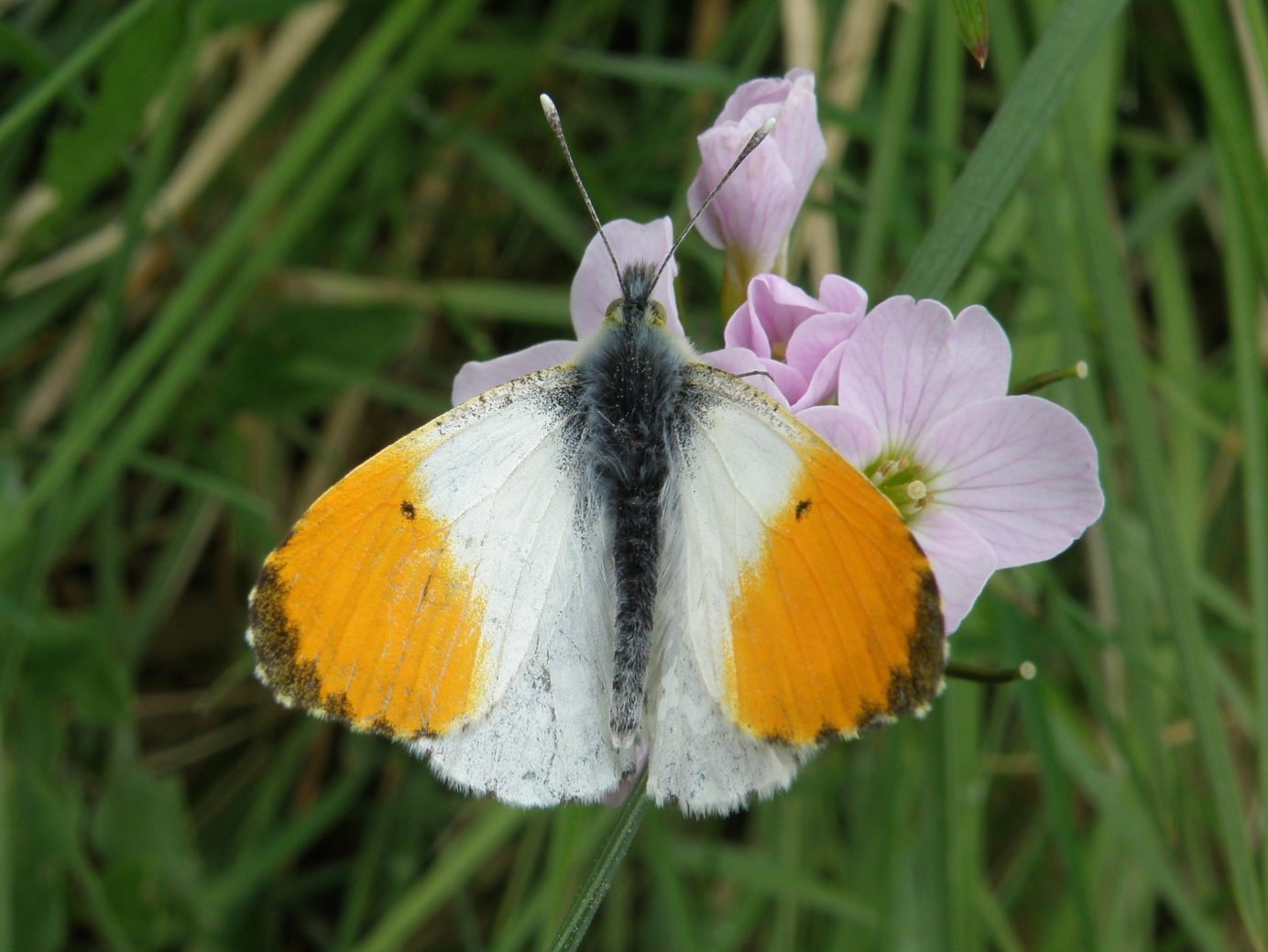
Orange Tip Buttefly © Helen Rowe