
Heatwaves, Bumblebees and 5 Things You Can Do in North East Scotland to Help
Heatwaves and bumblebees: 5 simple ways you can help bumblebees (and other pollinators) during heatwaves in North East Scotland.
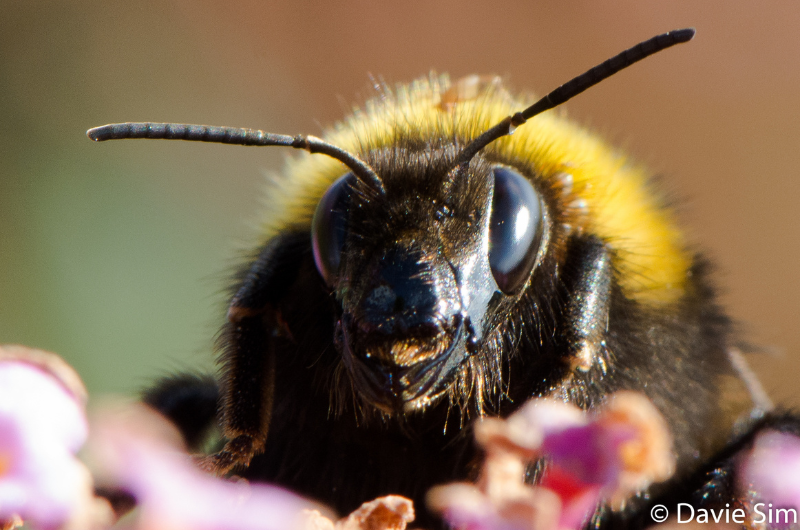
When most of us think of heatwaves, we don’t imagine North East Scotland hitting 40°C. But even though we are unlikely to experience the extreme temperatures seen elsewhere in the UK, warmer summers and more frequent hot spells can still affect our wildlife, including bumblebees. Recent BeeWalk data shows that extreme heat can impact bumblebee populations by making it harder for them to forage and support their colonies.
The good news is that there are simple actions we can all take to help bumblebees through heatwaves and create a more resilient landscape for nature across North East Scotland.
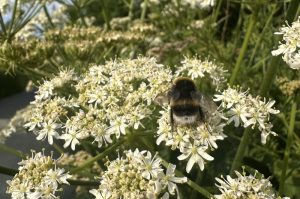 1. Plant a Bumblebee Buffet
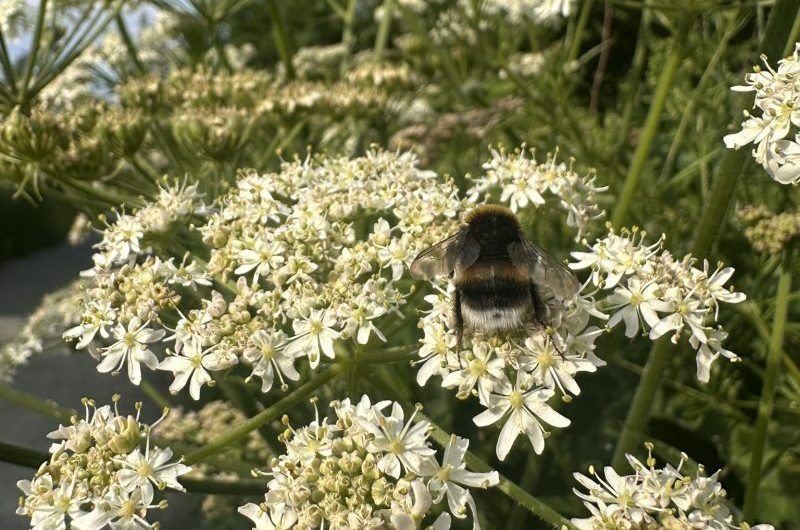
One of the best ways to help bumblebees during heatwaves is to provide a continuous supply of nectar and pollen from spring to autumn.
We recommend native plants such as Yarrow, Devil’s-bit Scabious, Selfheal, Clover, Bird’s-foot Trefoil, Wild Thyme, Wild Marjoram, Lavender, Goat Willow and Hawthorn. These plants are well-suited to North East Scotland and provide valuable food for pollinators.
Give it a go: Plant at least three pollinator-friendly species in your garden, allotment, balcony pots or community greenspace this year.
2. Leave Water Out for Bees
Hot, dry weather can make it difficult for bumblebees to find drinking water. A shallow dish filled with water and pebbles gives them a safe place to land and drink. This simple action can make a real difference during warm spells. It can also help other wildlife such as birds and hedgehogs.
Give it a go: Create a bee watering station using a plant saucer, old dish or upcycled container.
3. Mow Less and Let Flowers Bloom
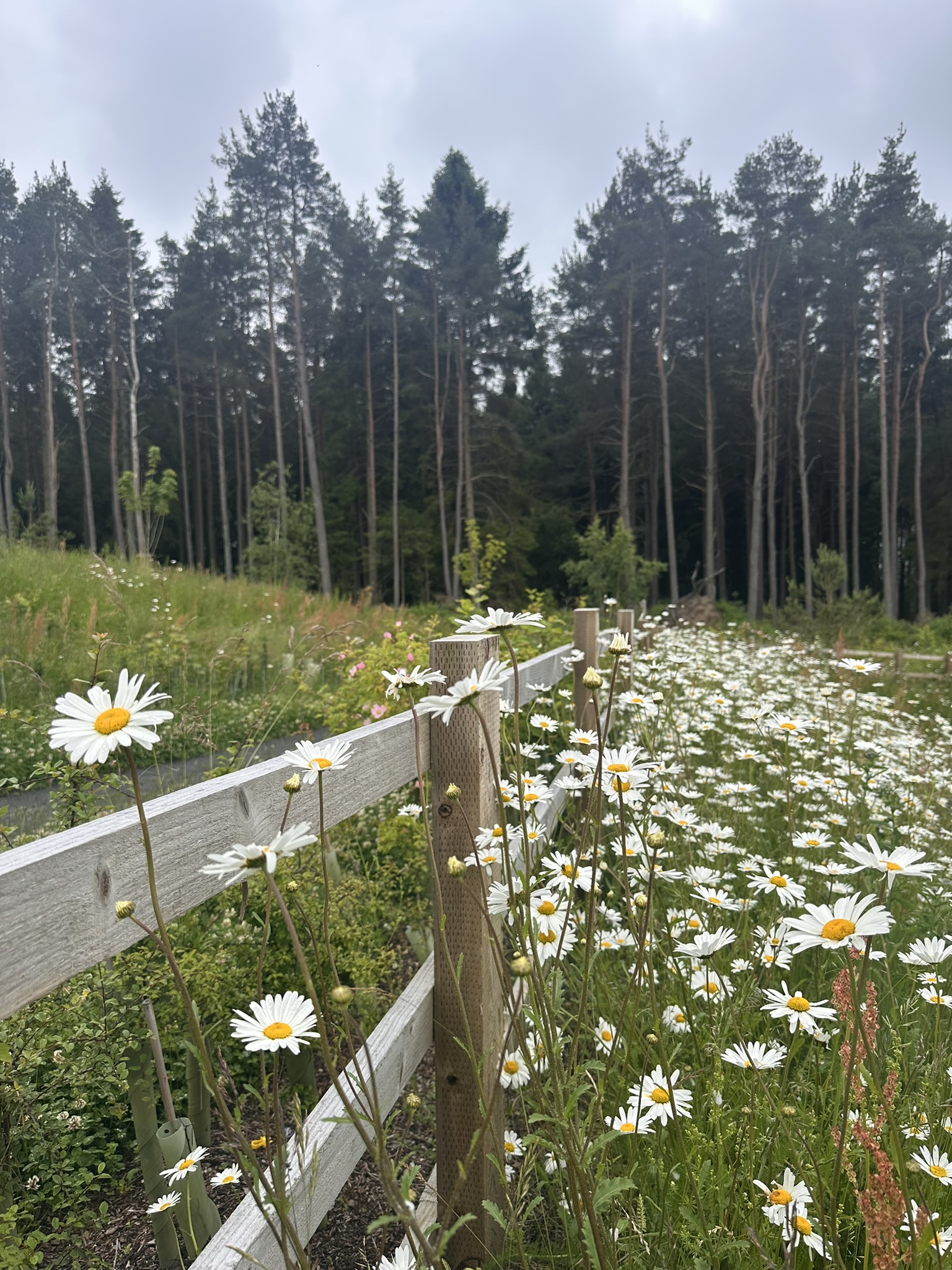
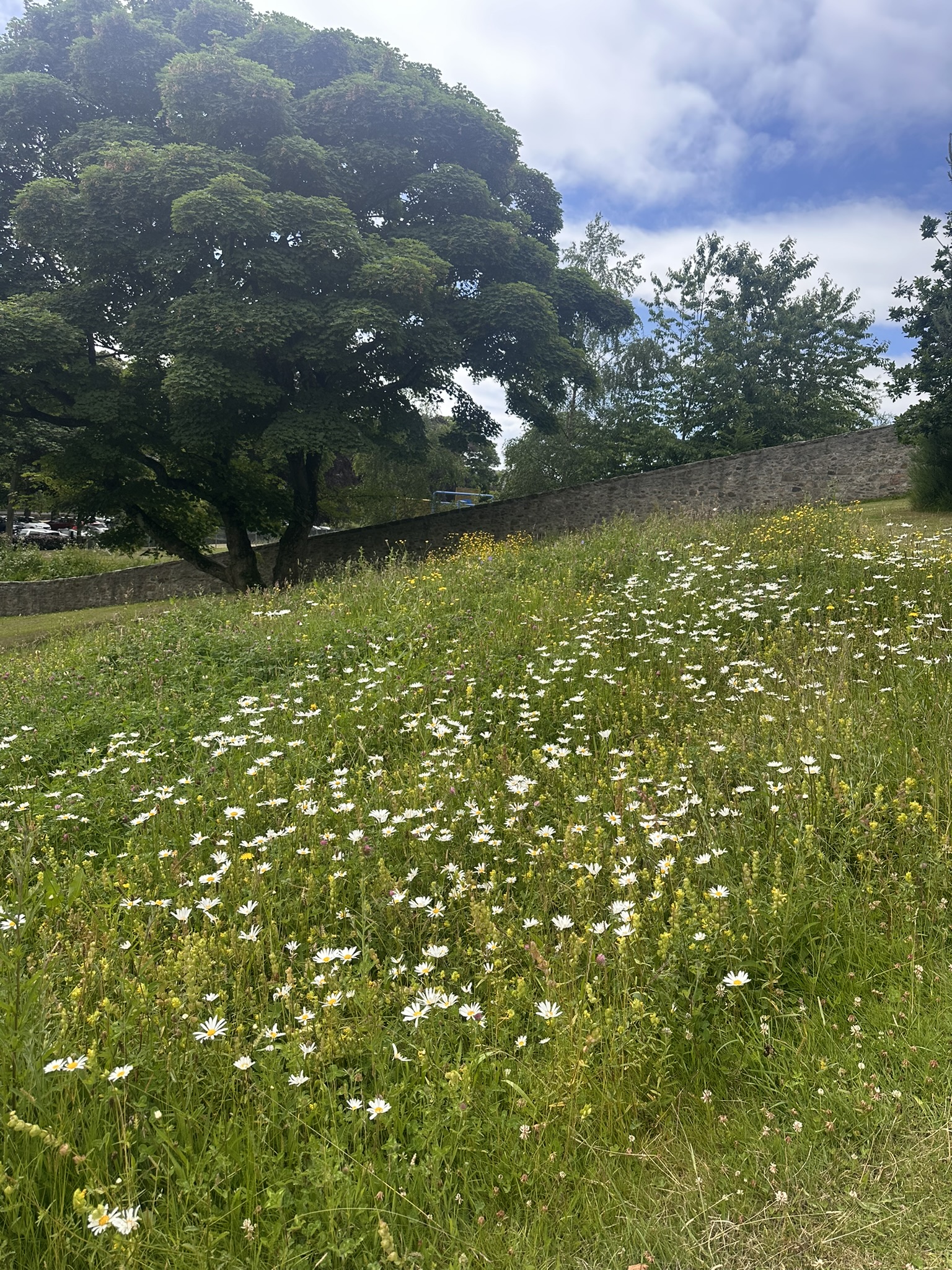
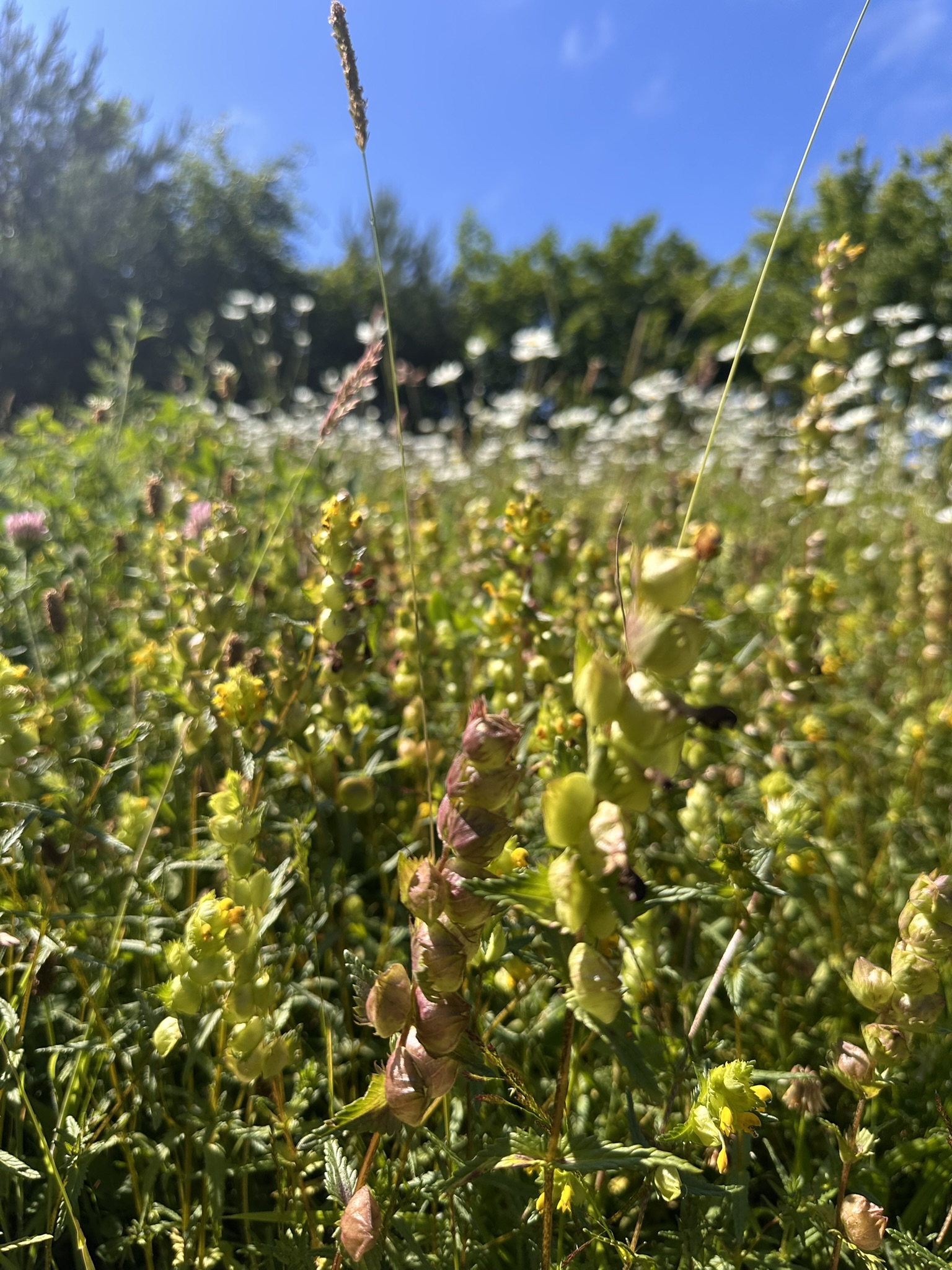
Longer grass and flowering lawns provide food and shelter for pollinators. Even a small patch of unmown grass can support clover, selfheal and other wildflowers that bumblebees love. This fits with wider biodiversity efforts being promoted across North East Scotland.
Give it a go: Leave part of your lawn uncut and encourage your community, school or workplace to do the same.
4. Ditch the Chemicals
Pesticides and herbicides can harm beneficial insects, including pollinators. Creating chemical-free spaces allows bumblebees and other wildlife to thrive.
Give it a go: Try natural gardening methods and choose wildlife-friendly alternatives whenever possible.
5. Become a Bumblebee Citizen Scientist
The research showing how heat affects bumblebees comes from thousands of volunteer observations collected through BeeWalk. These records help scientists understand how species are responding to climate change.
Give it a go: Record your sightings via NESBReC, take part in a or organise your own BioBlitz, or sign up as a BeeWalk volunteer.
Every Action Helps
North East Scotland may never regularly see 40°C temperatures, but climate change is still affecting our wildlife. By planting pollinator-friendly flowers, providing water, mowing less, avoiding chemicals and recording wildlife, we can all help bumblebees through heatwaves and support nature’s recovery.
This summer, why not choose one action from this list and get started? Together, we can help bumblebees with heatwaves, create better habitats across Aberdeen City, Aberdeenshire and Moray, and keep our countryside buzzing for years to come.