

Native Trees North East Scotland: Planting for Wildlife This National Tree Week
Looking for native trees in North East Scotland? Celebrate National Tree Week by planting native trees, willows and mixed hedgerows that support wildlife, strengthen habitats and create a more resilient landscape for future generations.
National Tree Week (21 November – 29 November 2026) is the perfect opportunity to take action for nature. Whether you’re planting a single tree in your garden, creating a mixed native hedgerow, or joining a community planting project, choosing locally appropriate species can make a real difference for wildlife.
Every year, National Tree Week marks the start of the UK’s tree planting season, inspiring people to plant, protect and celebrate trees. But this year, we’d like to encourage you to think beyond simply planting more trees. Instead, let’s focus on planting the right tree, in the right place, for nature. By choosing native trees in North East Scotland, we can help create healthier habitats, support local wildlife and build landscapes that are better able to adapt to future challenges.
Why native trees matter
Trees provide some of nature’s greatest benefits. They store carbon, improve air quality, reduce flooding, create shade and provide homes and food for countless species. But not all trees are equal when it comes to supporting biodiversity. Research led by Dr Ruth Mitchell at the James Hutton Institute found that the species we choose can be just as important as the number of species we plant. The work showed that selecting appropriate tree species helps create woodlands that are more resilient to climate change, pests and diseases while providing greater benefits for wildlife. Native trees have evolved alongside local insects, birds, fungi and mammals over thousands of years. By choosing species adapted to local conditions, we can create habitats that support more wildlife and are better prepared for the future.
If you’re considering planting this winter, our guide to Native Trees to North East Scotland is a great place to start.
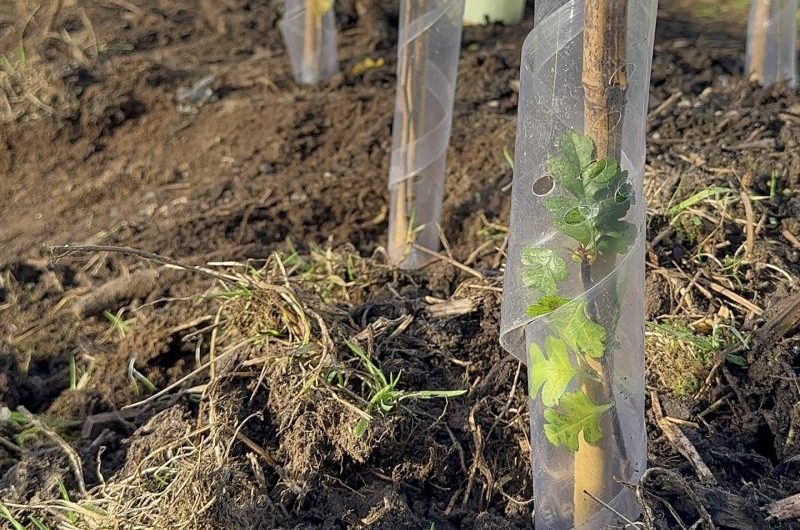
Willow: one of our most valuable native trees
When people think about tree planting for wildlife, they often think of oak. While oak is important, willow is one of the true superstars of biodiversity. There is a reason it’s one of the NESBiP Big 5! Our region supports at least 13 native willow species. Their early spring flowers provide a vital source of nectar and pollen when many insects are emerging from winter and food supplies are limited. Goat willow alone can support hundreds of insect species, making it one of the most valuable native trees for biodiversity.
Whether you have a large garden, a small community space or a suitable wet area, planting a native willow can provide benefits for pollinators, birds and mammals. Learn more in our guide to Native Willow Species.
Don’t forget hedgerows!
National Tree Week isn’t just about planting individual trees. Hedgerows are an excellent way of planting lots of trees in a small space.
Across North East Scotland, hedgerows provide some of our most important wildlife safe places to rest and eat. They create valuable corridors that allow wildlife to move through the landscape, helping connect fragmented habitats and supporting birds, mammals, pollinators and other wildlife. Again, there is a reason it’s one of the NESBiP Big 5.
The best hedgerows contain a mix of native species rather than a single type of shrub. A wildlife-friendly hedgerow could include:
- Hawthorn
- Blackthorn
- Hazel
- Rowan
- Guelder rose
- Elder
- Wild cherry
- Dog rose
- Bramble
- Honeysuckle
- Willow
Together, these species provide flowers, berries, nuts, shelter and nesting opportunities throughout the year. If you’re considering planting a hedge, take a look at our guide to Mixed Native Hedgerow Species.
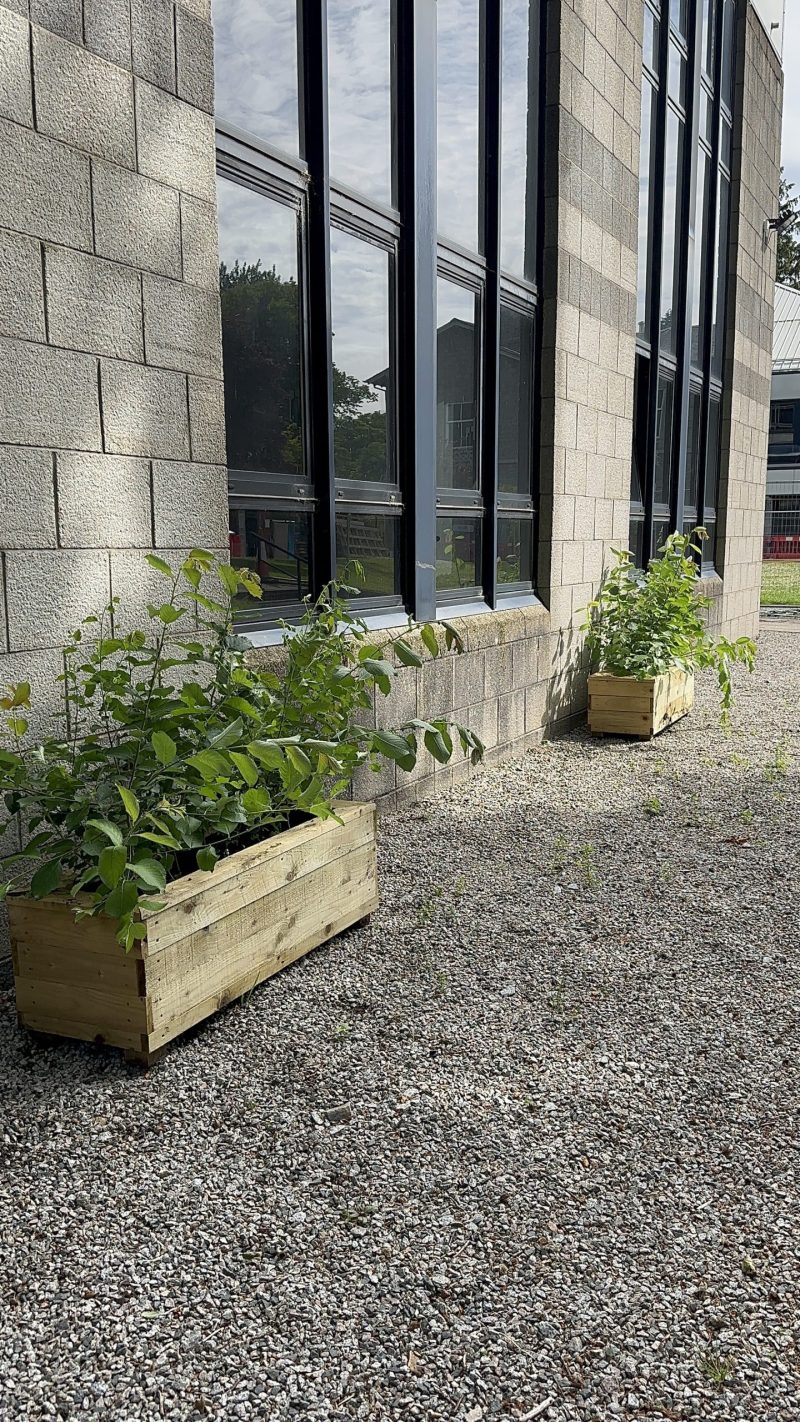
If you don’t have much space, a Hedge-in-a-box is an excellent alternative.
Planting for pollinators and people
Trees and hedgerows become even more valuable when they are combined with native wildflowers and other wildlife-friendly plants. Creating diverse habitats means wildlife can find food and shelter throughout the year. Early-flowering willows support emerging pollinators, summer wildflowers provide nectar and pollen, and autumn berries help birds and mammals prepare for winter. If you’re looking to create wildlife-rich spaces, explore our guide to Native Plants and Wildflowers.
Planting for future generations
International research involving scientists from the James Hutton Institute highlights the importance of creating forests and landscapes that are both biodiverse and resilient. Future woodlands will need to support wildlife, store carbon, improve water quality and continue delivering benefits for communities in a changing climate. The good news is that meaningful change doesn’t always require large-scale projects. Sometimes it starts with a willow planted in a garden, a mixed native hedgerow around a field or with one person deciding to make a little more space for nature.
Take Action for Nature This National Tree Week
This National Tree Week, NESBiP is encouraging everyone across North East Scotland to take one positive action for biodiversity:
- Plant a native tree.
- Create a mixed native hedgerow.
- Choose species that support pollinators and wildlife.
- Add native wildflowers to boost habitat diversity.
- Encourage your workplace, community group or school to plant native species.
- Most importantly, choose species that belong here and that will support wildlife for generations to come.
At NESBiP, we know that nature recovery happens through thousands of local actions. Every native tree planted, every hedgerow created and every wildlife-friendly garden helps build a healthier and more connected landscape. If you’ve planted trees, established a hedgerow, or are planning a project this winter, we’d love to hear about it. Share your story, photos and experiences with NESBiP and help inspire others to plant for nature across North East Scotland.
This National Tree Week, don’t just plant a tree. Plant the right tree in the right place for nature.
© Abbie Ferrar