

How to Support Nature and Just Transition in North East Scotland
Support Just Transition & Nature by exploring how biodiversity & NESBiP can help build a fair, resilient future in North East Scotland.
Why we must support Just Transition and nature together
A fair, sustainable future depends on our ability to support Just Transition and nature across the communities of North East Scotland. At NESBiP, we see every day how restoring biodiversity, improving local habitats and encouraging wildlife gardening play a vital role in ensuring that no one and no ecosystem is left behind.
NESBiP’s Biodiversity Coordinator was invited to the Regional Assembly for the Just Transition Communities Project (JTCP) on Saturday 21st March, to highlight this. The event brought together a diverse group of people from various sectors and backgrounds, all working towards a common goal: delivering a just transition that leaves no one behind. Through the workshops and working groups, there was a real sense of collaboration, openness, and a shared purpose. What stood out most was the collective sense of hope. Despite the complexity of the challenges ahead, there was a strong belief that a fairer and more sustainable future is still possible.
Too often, biodiversity and nature is overlooked in just transition conversations, which tend to focus heavily on energy systems, active travel and sustainable homes. But a truly just transition must also recognise and restore the natural systems we all depend on. Throughout the event, the shared message was clear: people want a future that is greener, fairer and rooted in place. But to achieve that, we must support a just transition and nature together, not treat them as separate goals.
That is where NESBiP comes in, helping individuals, communities, businesses and organisations take positive, practical actions for biodiversity recovery that directly strengthen a just and resilient transition across North East Scotland.
Here are five ways biodiversity can support a just transition and how NESBiP can help you get started.
🌱 1. Nature-Based Jobs and Skills That Support Just Transition
Restoring habitats like wetlands, native woodlands and peatlands creates local employment and builds green skills. That’s why our work with partners encourages people to get involved in practical conservation, from hedgerow planting to citizen science surveying.
Many NESBiP partners, including organisations like Aberdeen City Council Rangers, Aberdeenshire Council, local nature charities and community groups, also offer skill‑based volunteering, internships and pathways helping people gain real experience on the ground. Green Jobs for Nature is a great website to explore wider career pathways and training opportunities, you can even learn more about our Biodiversity Coordinator.
How NESBiP can help:
- Connect community groups with habitat restoration opportunities
- Promote volunteering pathways
- Share local training and nature-skills programmes
🌍 2. Building Climate-Resilient Communities Through Nature
Healthy ecosystems protect us: wetlands reduce flooding, trees cool our towns, and diverse gardens support pollinators that keep our food systems going. The NESBiP Big 5 are a great starting point. Native willow and hedgerows are excellent habitats that are vital for pollinators, birds and other animals. However, they are also important for carbon storage, restoring riverbanks and reducing flooding. If you don’t have the land for these habitats, you can provide shelter and food for hedgehogs, swifts and northern damselfly. Following the actions for these species will help support nature and just transition.
How NESBiP can help:
- Provide guidance on climate‑resilient wildlife gardening
- Highlight nature-based solutions you can use at home
- Support farmers, developers, landscape gardeners and businesses with nature-positive planning
🐝 3. Strengthening Local Economies by Supporting Nature in a Just Transition
Biodiversity supports many livelihoods across the North East — from farming and tourism to local food producers and small nature‑based businesses. Supporting just transition and nature also means supporting the people who care for our landscapes.
That’s why NESBiP works closely with groups like the Nature Friendly Farming Network (NFFN), whose “Support Your Local Farmer” approach highlights how wildlife‑friendly farming protects soils, pollinators and local food production.
We also champion local businesses supplying native plants, seeds and expertise (including CuramFyvie, The Habitat People, and Scotia Seeds) all helping communities create habitats that benefit wildlife.
How NESBiP can help:
- Share wildlife-friendly land management advice
- Provided biodiversity actions that support pollinators and soils
- Provide information on local businesses help nature
Even simple wildlife gardening (like planting early willow or creating a mini‑meadow) helps build stronger pollinator networks and supports local growers and farmers.
💧 4. Health and Wellbeing Benefits When We Support Nature in a Just Transition
Access to nature is proven to benefit mental and physical health. And you don’t need a national park to experience that even a wildlife-friendly balcony, courtyard or garden can bring people closer to nature every day. Start with the NESBiP Big 5, simple actions make a big difference.
How NESBiP can help:
- Provide you with simple actions to take in your wildlife garden
- Share your nature-led activities with others
- Support groups to create local nature spaces
🔄 5. Regenerative Change: Putting Nature at the Heart of a Just Transition
A just transition isn’t only about reducing harm — it’s about actively restoring the natural world. When biodiversity is woven into climate and community planning, the benefits multiply.
How NESBiP can help:
- Offer tools, resources and signposting for biodiversity-positive action
- Work with partners to embed nature into local policies
- Empower communities to champion wildlife in your neighbourhoods
🌿 Bringing It All Together
The Regional Assembly reinforced something we strongly believe at NESBiP: when communities feel empowered to take action for nature, change becomes possible. Meaningful, practical, hopeful change.
Biodiversity must be central to a just transition.
And together, we can support Just Transition and nature across North East Scotland.
If you’re ready to start:
- explore wildlife gardening
- get involved with the NESBiP Big 5
- sign up to our newsletter to keep informed
- or simply plant something for pollinators
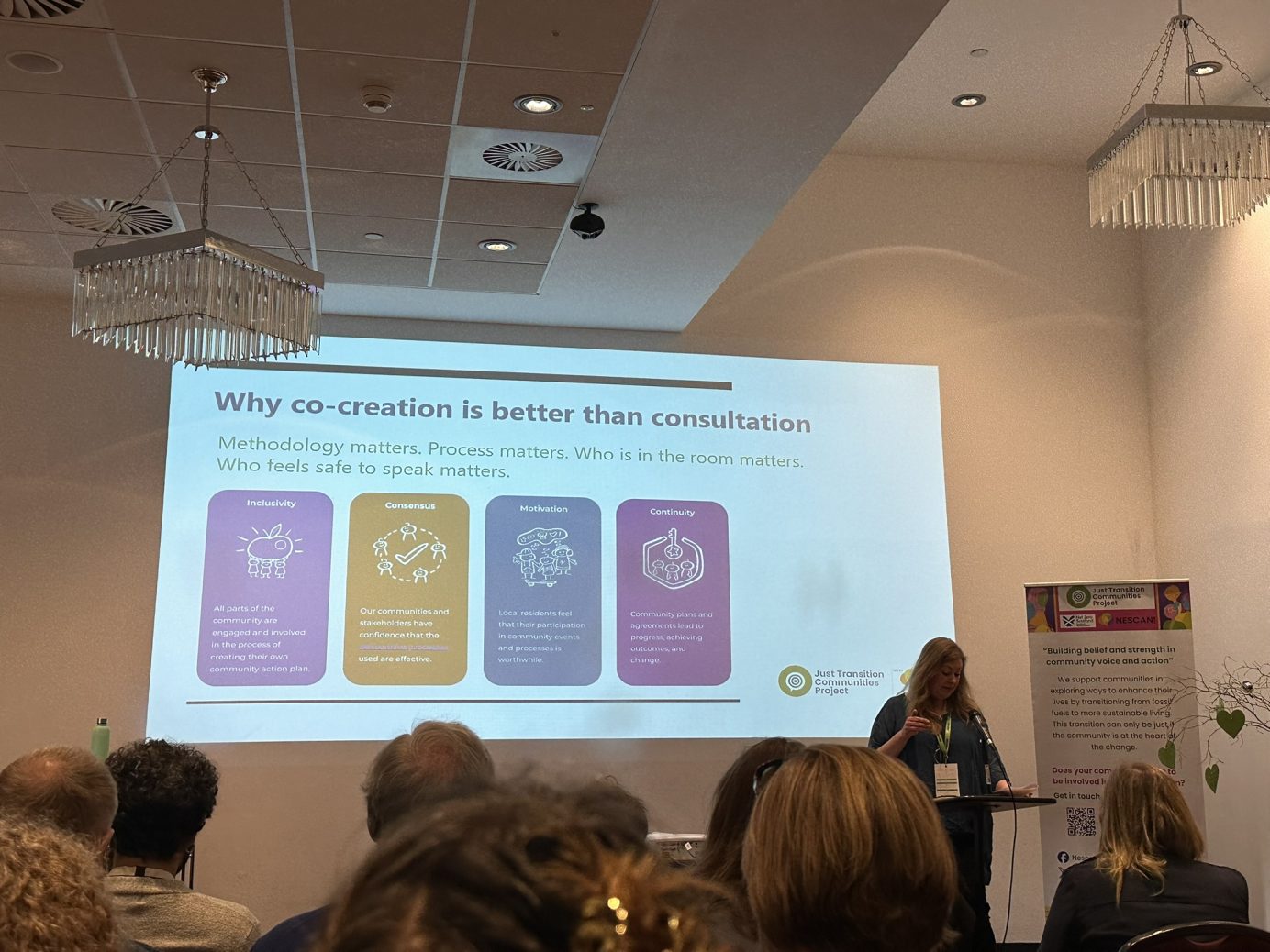
Why co-creation is better than consulation
More News

Abbie Ferrar
NESBiP Biodiversity Coorindator (2024 - Present)