
Wetland Actions for the NESBiP Big 5 – World Wetlands Day
Discover simple wetland actions for the NESBiP Big 5 & learn how to protect North East Scotland’s wetlands this World Wetland’s Day. Every small action helps!
The water in our wetlands is one of our most vital natural resources. Wetlands, water, and life are inseparable. In North East Scotland, we’ve had a lot of rain recently, so it can feel like our wetlands are doing fine. However, they still need our protection. Only a few months ago, SEPA was reporting that the Lower Spey, Deveron, Ythan, and the Upper and Lower Don were experiencing significant water scarcity. A worrying reminder that the climate crisis is already reshaping how we live.
🕊️ Swifts
Put up a swift box near wetland edges or villages close to rivers and lochs.
Swifts rely heavily on wetland ecosystems because they feed on the flying insects that emerge from healthy marshes, lochs and rivers. By improving wetland quality, we boost insect populations. Giving swifts the abundant food supply they need during the breeding season. Unfortunately, their traditional nesting sites in old buildings are also disappearing. Installing nest boxes near wetland habitats offers safe alternatives, helping support local swift populations.
Read our blog written by NESBiP Big 5 Swift Champion Cally Smith to learn more on how to help.
🦔 Hedgehogs
Create “hedgehog highways” and keep wetland-edge grass long.
Hedgehogs regularly travel between damp meadows, wetlands, woodland and gardens in search of food and nesting sites, but solid fencing and tidied edges often block their routes. Small gaps at the base of fences, together with patches of long, natural vegetation near wet areas, create safe corridors for them to move freely across the landscape. These simple actions reduce accidental disturbances, prevent hedgehogs becoming trapped, and help maintain healthy populations in and around wetland habitats. All part of our Big 5 actions encouraging wildlife-friendly garden and community spaces.
Read this blog from the North East Scotland Mammal Network to learn more about how to help them.
🐉 Northern Damselfly
Protect boggy areas and shallow pools by avoiding trampling and disturbance.
The Northern Damselfly is found only in North East Scotland — the species’ entire UK range. It’s a rare, weak-flying damselfly that depends on small ponds and lochans, especially those fringed with emergent wetland vegetation such as sedges and rushes. These delicate sites are easily damaged by footfall, dogs entering the water, or general disturbance. By keeping to paths and treating wetland pools with care, we help protect these fragile habitats. Recording sightings and safeguarding pond edges are simple actions that support one of our region’s most threatened wetland specialists.
Learn more about the Northern Damselfly and how to ID this species by reading this handy guide.
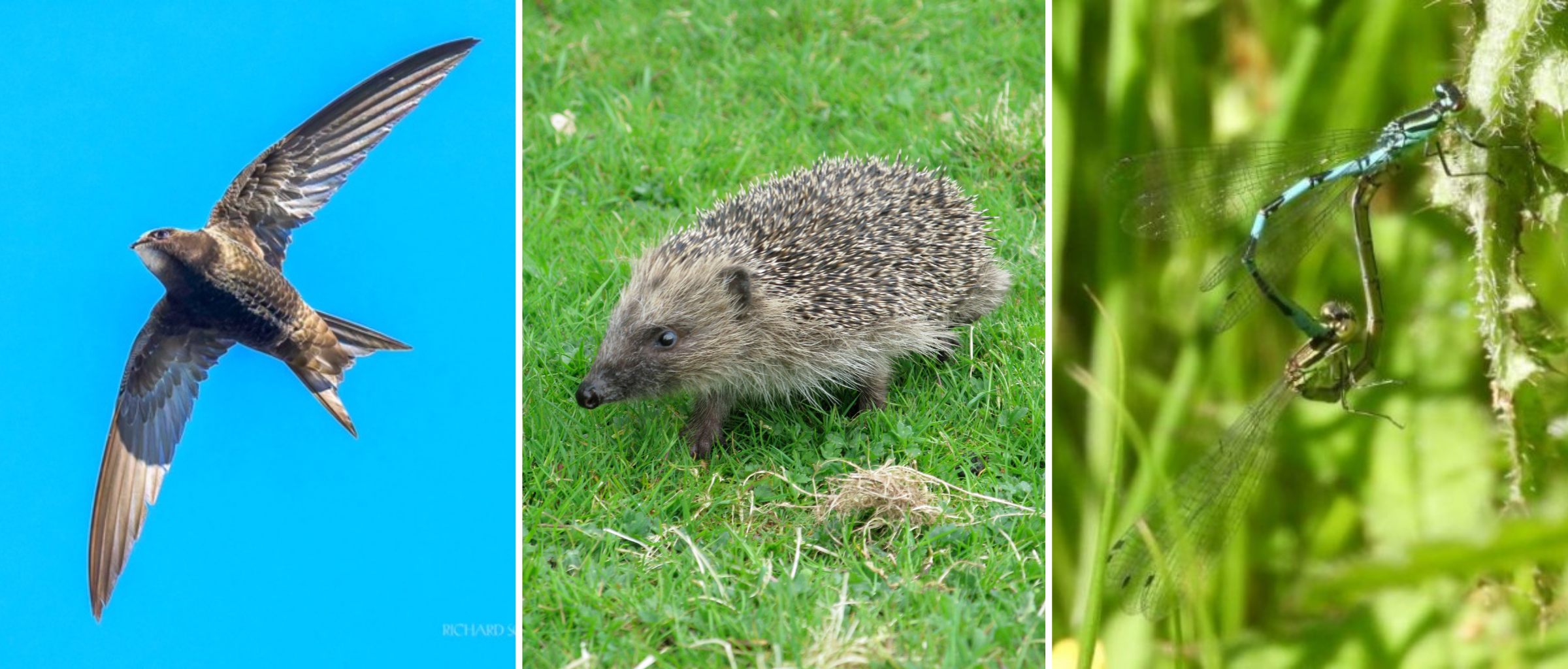
Swift (Richard Scott), Hedgehog (NESBiP) and Northern Damselfly (NTS)
🌿 Native Willow Species
Plant native willows in suitable areas to stabilise wet ground.
Native willows thrive in wet soils and play a crucial role in supporting the wider health of rivers, bogs and wet meadows. Their extensive root systems hold loose, waterlogged soil together, reducing erosion along riverbanks and loch shores. Willows also act as natural filters, capturing nutrients and sediment before they enter waterways and providing valuable habitat for insects, birds and amphibians. Planting or encouraging native willows is an effective NESBiP Big 5 action that strengthens wetland ecosystems while supporting a rich diversity of wildlife.
Learn more about our native willow species and how to grow them with this useful guide.
🌳 Native Mixed Hedgerow
Support or plant native hedgerows to act as buffers around wetlands.
Mixed native hedgerows create living boundaries that benefit both terrestrial and wetland wildlife. They capture sediment and absorb pollutants before they reach sensitive wetland areas, improving overall water quality. Their dense structure also forms safe travel corridors connecting wetlands to surrounding woodland, farmland and urban green spaces. This connectivity is essential for many species, from birds to small mammals and insects, allowing them to move safely between habitats. Enhancing hedgerows around wetlands is a key NESBiP Big 5 action that strengthens ecological networks across the landscape.
Learn more about why hedgerows are important and read this case-study from the Nature-Friendly Farming Network.
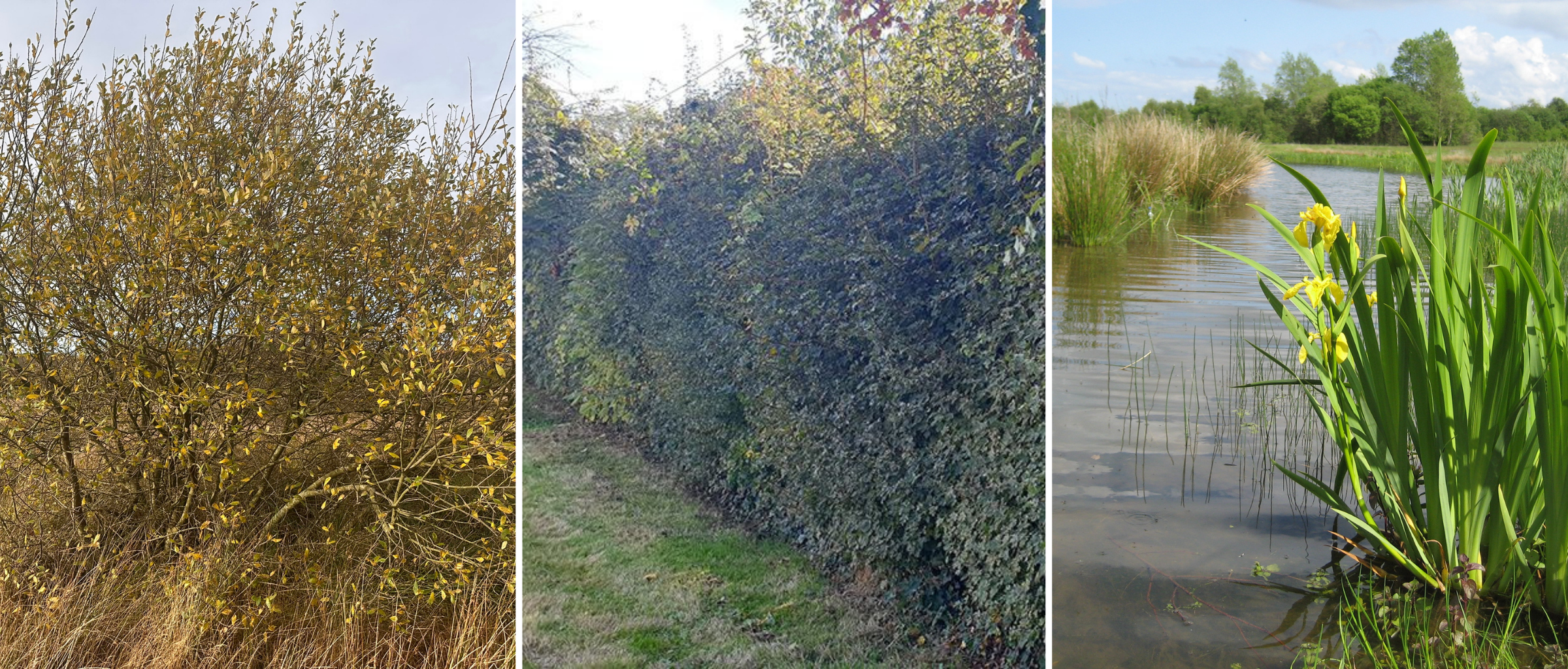
Grey Willow (Abbie Ferrar), Hedgerow (People’s Trust for Endangered Species) and Yellow Flag Iris (NESBiP)
🌍💧 Let’s Take Simple Wetland Actions for the NESBiP Big 5 Together
Every small action adds up. Whether you’re planting willows, putting up a swift box, protecting a tiny bog pool, or simply leaving a fence gap for hedgehogs, you’re helping our wetlands stay healthy for the species that depend on them. This World Wetlands Day, we’d love to hear what wetland actions you are taking for the NESBiP Big 5. Share your actions with others, inspire your neighbours, and help us spread the word. And don’t forget: if you spot wildlife while out and about, especially species like the Northern Damselfly, record your sightings with NESBReC. Every record helps us build a clearer picture of how our region’s wetlands are coping and where they need support. Together, we can protect these precious places for generations to come.

World Wetland's Day Logo
More News

Abbie Ferrar
NESBiP Biodiversity Coorindator (2024 - Present)