

State of the Coast: Understanding and Protecting North East Scotland’s Coastline
Learn about the North East Scotland coastline, marine conservation projects and how you can help protect coastal wildlife and habitats.
On 28 October 2026, NESBiP’s Biodiversity Coordinator attended the Regional Marine Planning Forum in Dundee. Communities, young people, local authorities, coastal partnerships and marine organisations came together to discuss the future of Scotland’s seas and coastlines.
The event highlighted the wide range of work taking place to better understand, manage and restore Scotland’s marine environment. From marine planning and ocean literacy to habitat restoration and community action, one message came through clearly: everyone has a role to play in protecting our coast.
While attending the Regional Marine Planning Forum, we heard about projects and partnerships helping to protect Scotland’s seas and coastlines. It reminded us of the excellent work that East Grampian Coastal Partnership (EGCP) has already undertaken through State of the Coast, an accessible resource helping people better understand the marine and coastal environment on our own doorstep.
What is the State of the Coast?
 State of the Coast is an online resource developed by East Grampian Coastal Partnership (EGCP) that brings together information, data and insights about the marine and coastal environment from Fraserburgh to St Cyrus.
The website explores topics including:
- Coastal and marine wildlife
- Habitats and biodiversity
- Climate change impacts
- Recreation and tourism
- Marine litter and pollution
- Coastal management and planning
By bringing information together in one place, the State of the Coast helps communities, organisations and decision makers better understand the condition of our coastline, the pressures it faces and the opportunities to protect it for future generations.
Why Does Our Coast Matter?
The North East Scotland coastline is home to an incredible variety of wildlife and habitats. From seabird colonies and seals to seagrass meadows and the sharks, skates and rays found in our coastal waters, these environments support biodiversity, recreation, tourism and local livelihoods.
Our coast also helps protect communities from the impacts of climate change. However, coastal and marine habitats face increasing pressures from pollution, habitat loss, invasive species, climate change and competing demands on our seas.
Understanding these challenges is the first step towards protecting and restoring our marine environment.
Lessons from the Regional Marine Planning Forum
The forum showcased the incredible range of organisations, partnerships and communities working to improve Scotland’s marine environment.
Some of the topics and initiatives highlighted throughout the day included:
- Scotland’s network of Coastal and Marine Partnerships and the important role they play in connecting communities, organisations and decision makers.
- Bioregioning, an approach that considers environmental management based on natural ecological boundaries rather than administrative ones.
- A report by the regional marine planning forum for Scotland. Marine and coastal partnerships in Scotland: strong foundations, shared futures. Published in October 2026.
- Guidance developed by UHI Shetland to support marine restoration and enhancement projects in the Shetland Islands.
- The work of the Scottish Ocean Literacy Coalition, helping people better understand the relationship between people and the sea.
- The MSPACE Project, which is exploring how climate change could affect fisheries, aquaculture and nature conservation in the future.
- The complexity of marine planning and the importance of ensuring communities have opportunities to engage with consultations and decision-making.
Together, these initiatives demonstrate that protecting our marine environment requires collaboration at every level, from local volunteer groups to national research programmes.
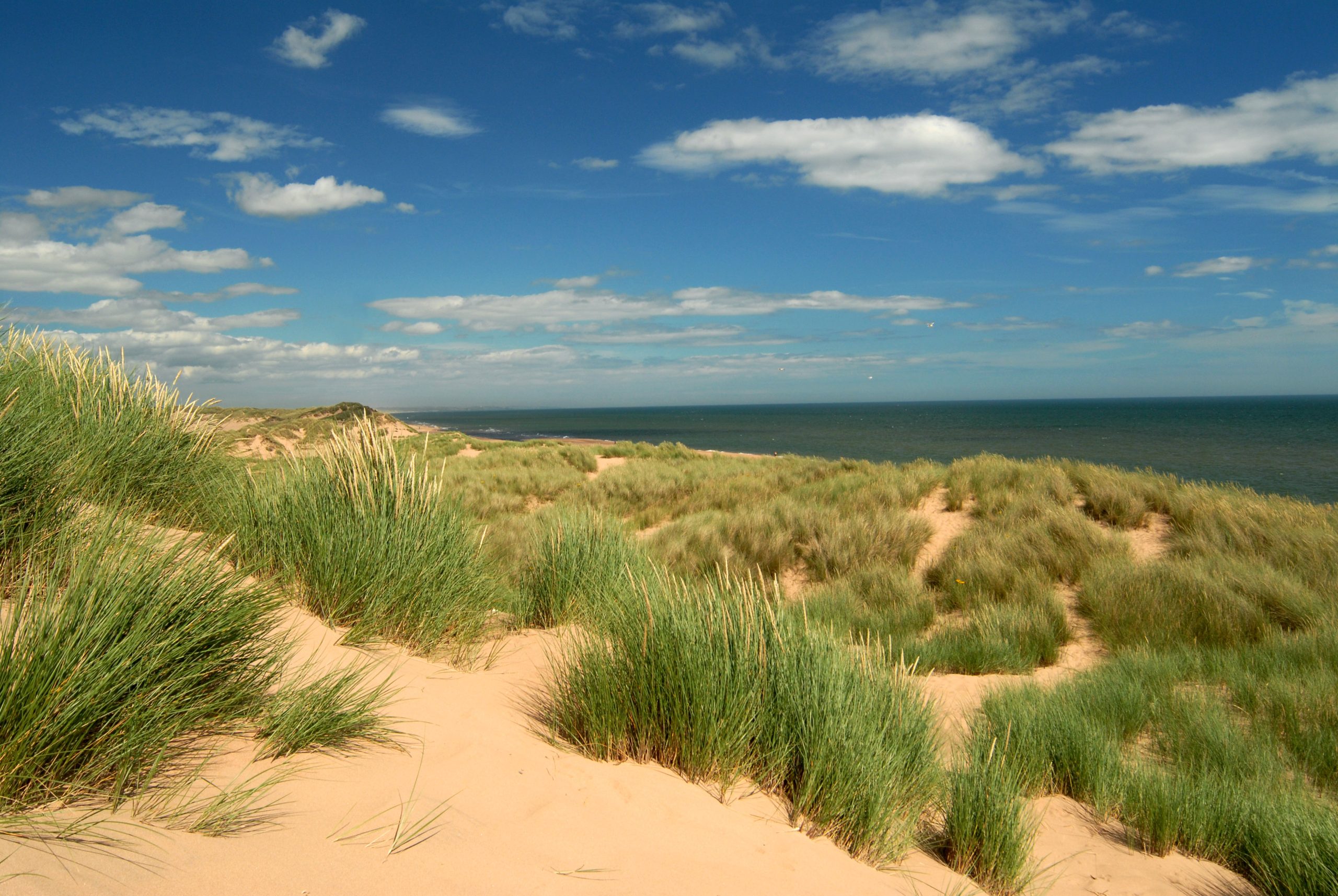
Sand Dunes – Aberdeen City Council
How Can You Help the North East Scotland Coastline?
There are many ways to help protect the North East Scotland coastline.
Explore the State of the Coast.
A great place to start is by learning more about the coastline around you.
State of the Coast provides accessible information about local habitats, species, environmental pressures and conservation efforts from Fraserburgh to St Cyrus.
Support Seagrass Projects.
Seagrass meadows are among the most important marine habitats in the UK. They provide shelter for marine life, improve water quality and capture carbon.
Learning about and supporting seagrass conservation and restoration projects can help raise awareness of these valuable underwater ecosystems.
Record Marine Wildlife.
Shark & Skate Scotland encourages people to record sightings of sharks, skates, rays and egg cases from around Scotland’s coastline.
These records help improve our understanding of marine species and contribute to future conservation efforts.
Join a Beach Clean.
Taking part in a beach clean is one of the simplest ways to make a direct positive impact on the marine environment.
Here are some groups running beach cleans and coastal volunteering opportunities across the North East Scotland:
- Aberdeen Climate Action
- PAWS (People Against Waste in Stonehaven)
- Greyhope Bay
- Turning the Plastic Tide (TTPT) Project
- This project has now got over 10,000 volunteers on beach cleans removing over 165 tonnes of rubbish.
Every piece of litter removed helps protect wildlife and prevent waste from entering the marine food chain.
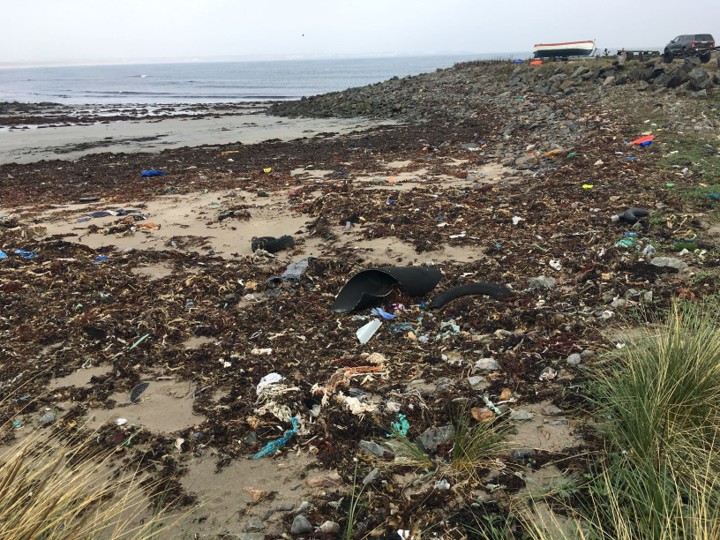
Before a TTPT beach clean showing the state of our coastline in North East Scotland
Connect with Coastal Partnerships
Organisations are providing opportunities to learn more about local marine issues, volunteer with conservation activities and support community-led action along our coasts.
Both the East Grampian Coastal Partnership and the Moray Ocean Community joined us for our spring seminar in 2025. You can read about this seminar here or watch the full thing on YouTube.
Building Ocean Literacy
One theme that appeared throughout the forum was ocean literacy. This is understanding how the ocean influences our lives and how our actions influence the ocean.
By learning more about our marine environment, supporting local projects and getting involved in community action, we can all help create healthier and more resilient coastlines.
Every Action Counts
Whether you’re recording marine wildlife, supporting a seagrass project, joining a beach clean or simply learning more about your local coastline, every action contributes to healthier seas.
The North East Scotland coastline is one of our most valuable natural assets. By working together, we can help ensure it continues to support people, wildlife and communities for generations to come.
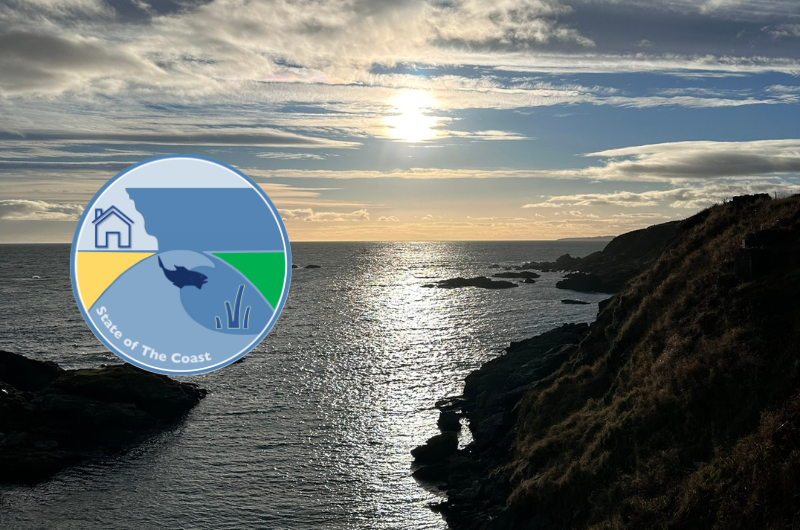
Cove Bay © Abbie Ferrar
More Projects

Abbie Ferrar
NESBiP Biodiversity Coorindator (2024 - Present)